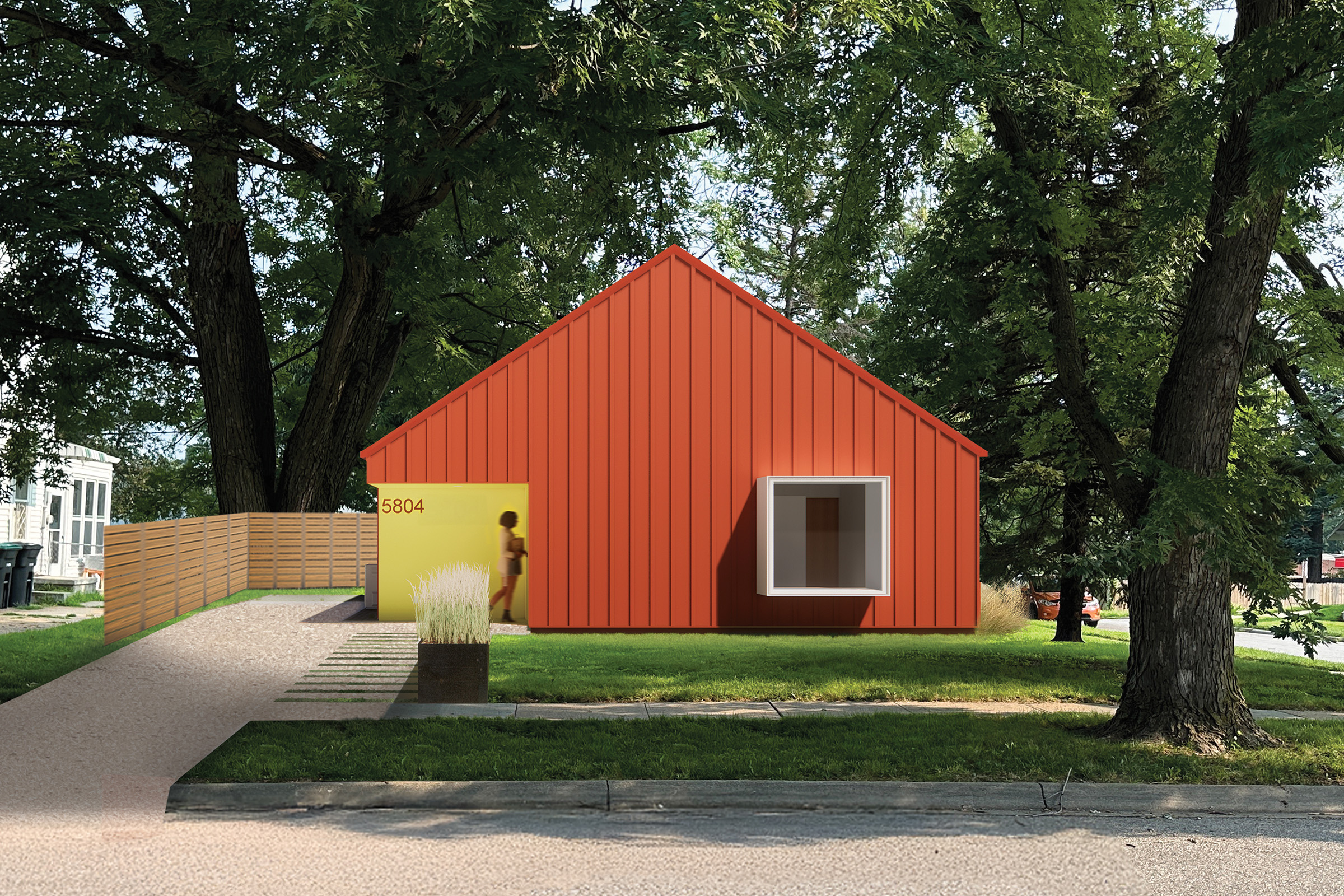


How must we address the housing crisis? Affordable or attainable housing occurs at the intersection of policy, finance, and design. This designbuild studio focused on the detailed design and construction of a housing system, called OurStory, in collaboration with outside partners and advisors who brought expertise in policy, finance, age-ready design, constructability, and a range of other necessary inputs. In addition to the subject matter experts advising the project, the OurStory design process was followed by a cohort of emerging developers interested in creating infill housing and accessory dwellings in the Omaha metro and beyond. The OurStory Small Houses system will give outside developers (and the general public) the option to license designs from an evolving catalog, beginning with Corby House and Benson House. Anticipated users of the design include ADU builders, established developers, emerging developers, and individuals. Design licensing will be managed by UNL, and Livable Omaha will study the results to glean transferable lessons.
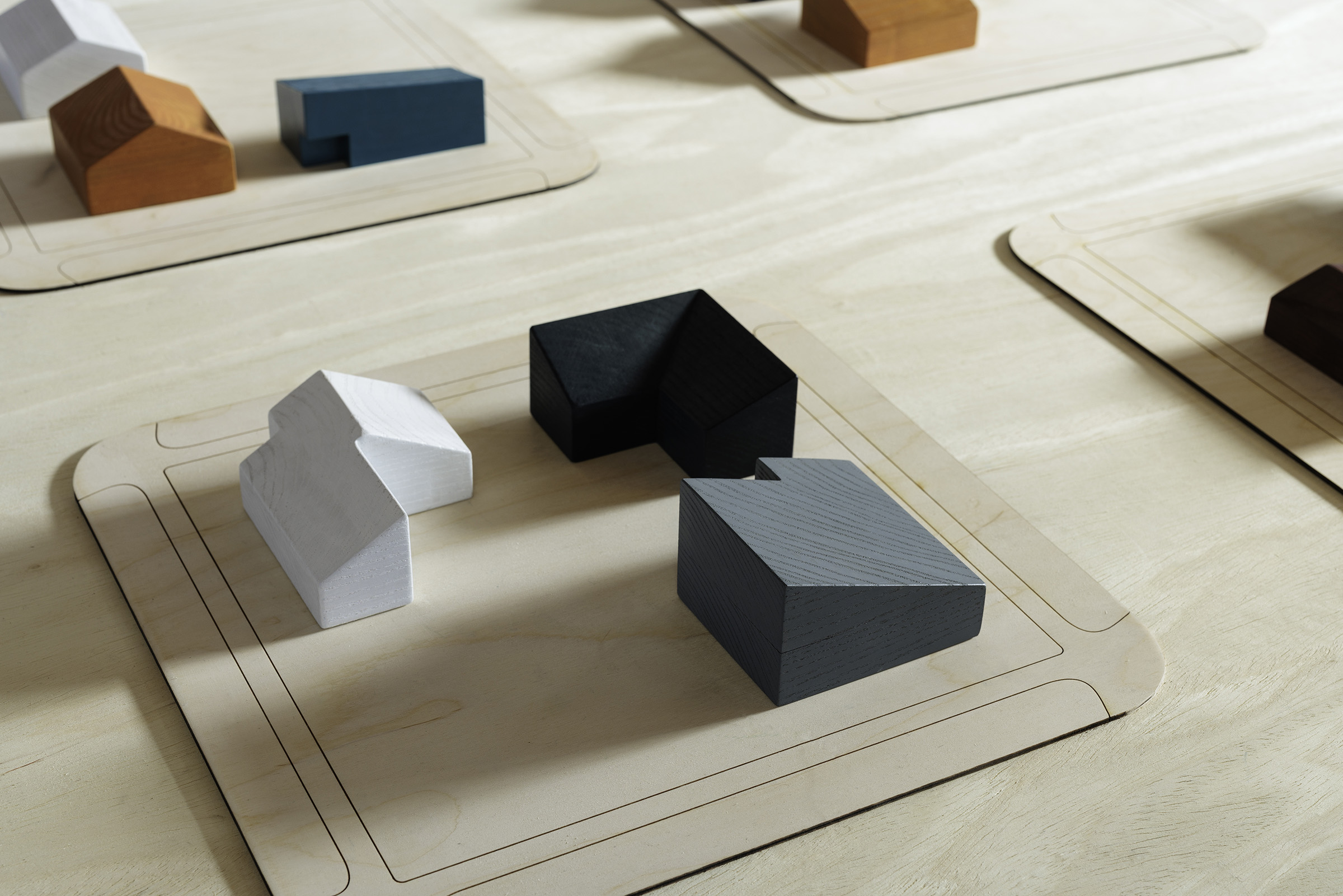
Following a 2019 Brookings Institution report that argues “replacing detached single-family homes with ‘gentle density’ could increase the number of homes available and bring down average housing prices in high-cost locations, while retaining the physical scale of the neighborhood,” OurStory is a housing system based on the single-family house. While affordable housing needs in urban communities benefit from multi-family complexes, or smaller “missing middle” housing types and the high density these types bring to a city, there are many communities where the single-family house and its variants are still relevant, or necessary. Thus, OurStory is not an argument against density or collective housing, but for the house to be one of a broad set of solutions to the housing crisis. The project proposes reimagining the single-family house to address housing needs in existing neighborhoods, vacant odd-lots, new dense developments and to uncover new opportunities for the type. As one example of its use, OurStory provides a new option for housing older adults wishing to downsize and remain in their neighborhoods as they age.
Towards a System of Houses:
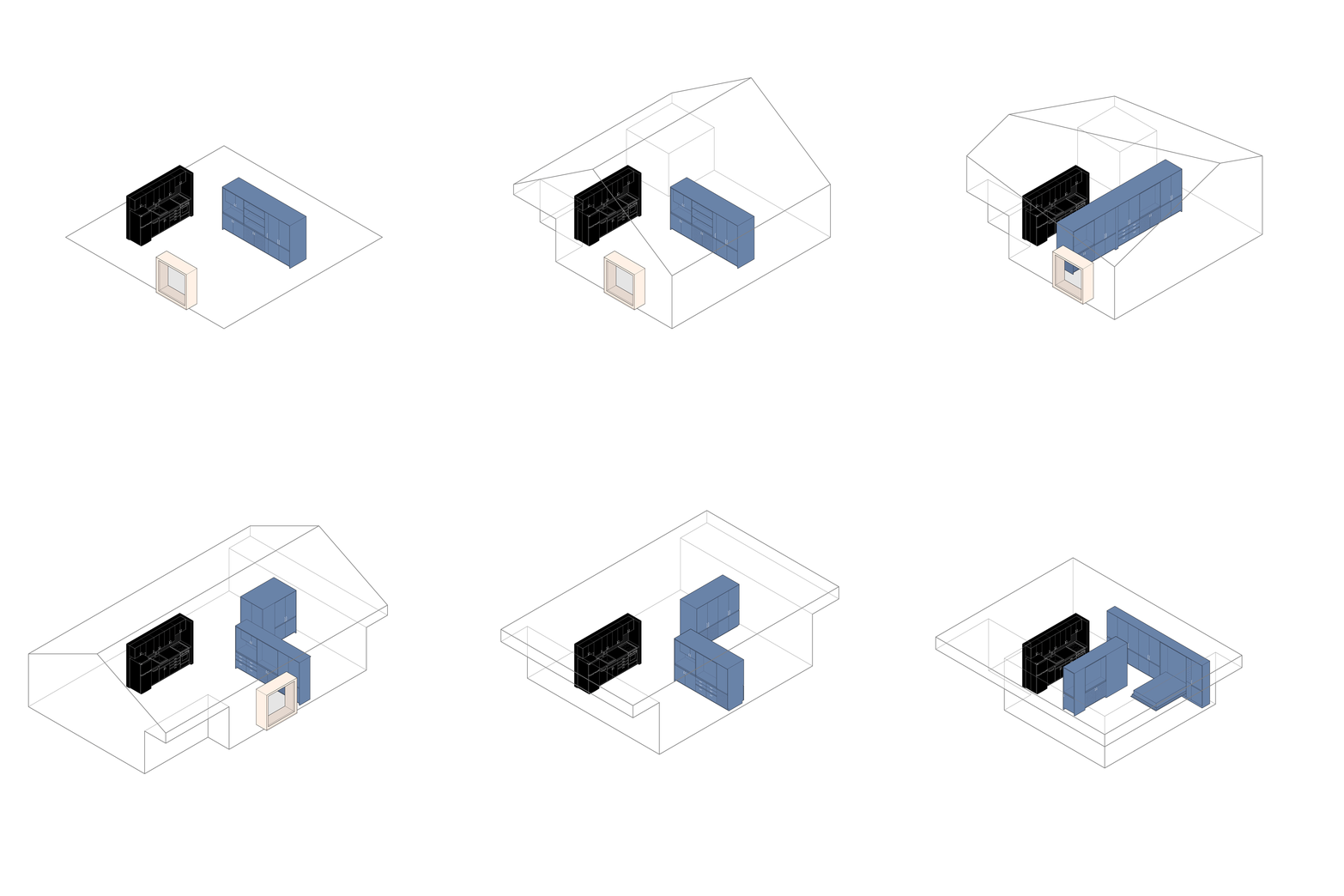
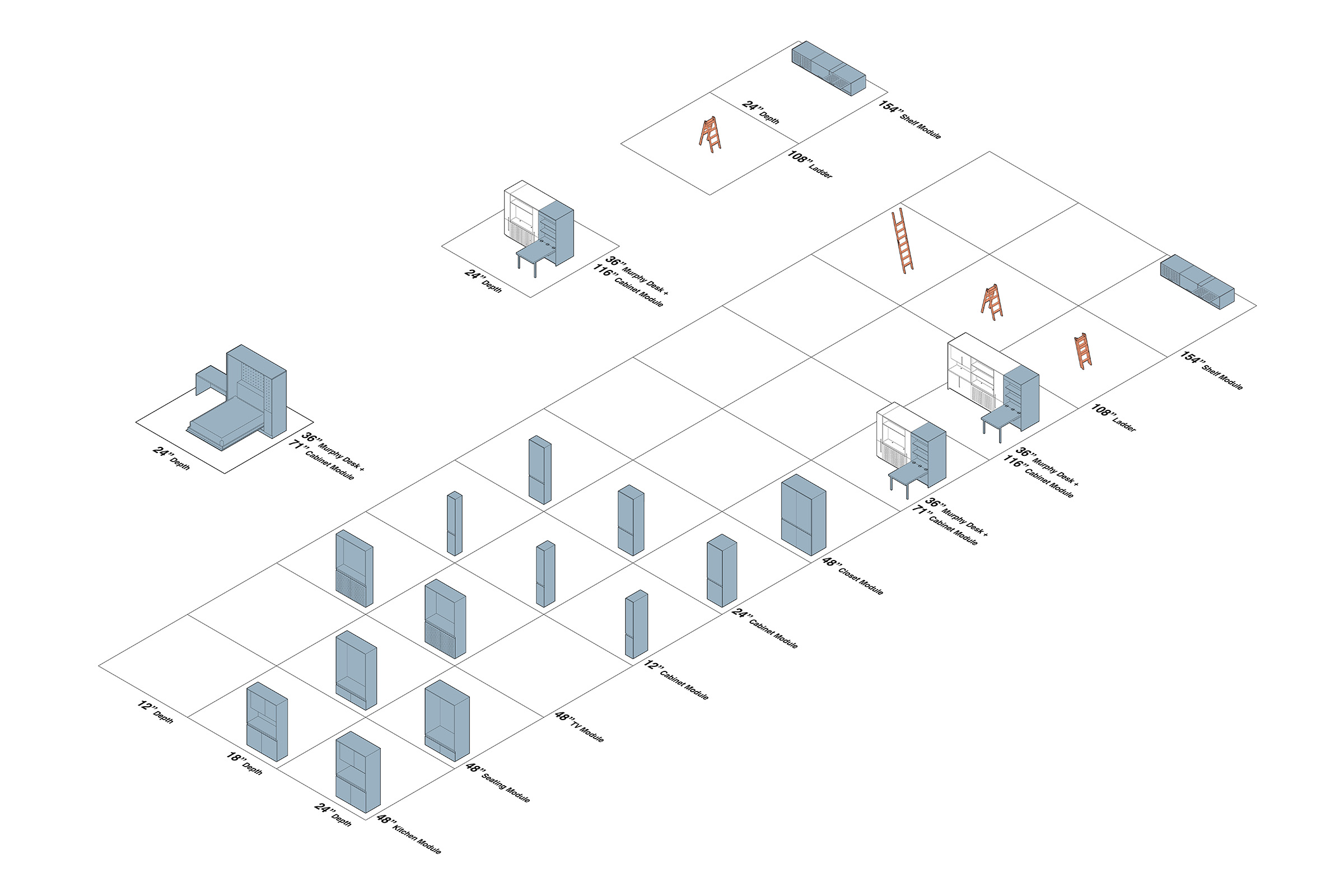
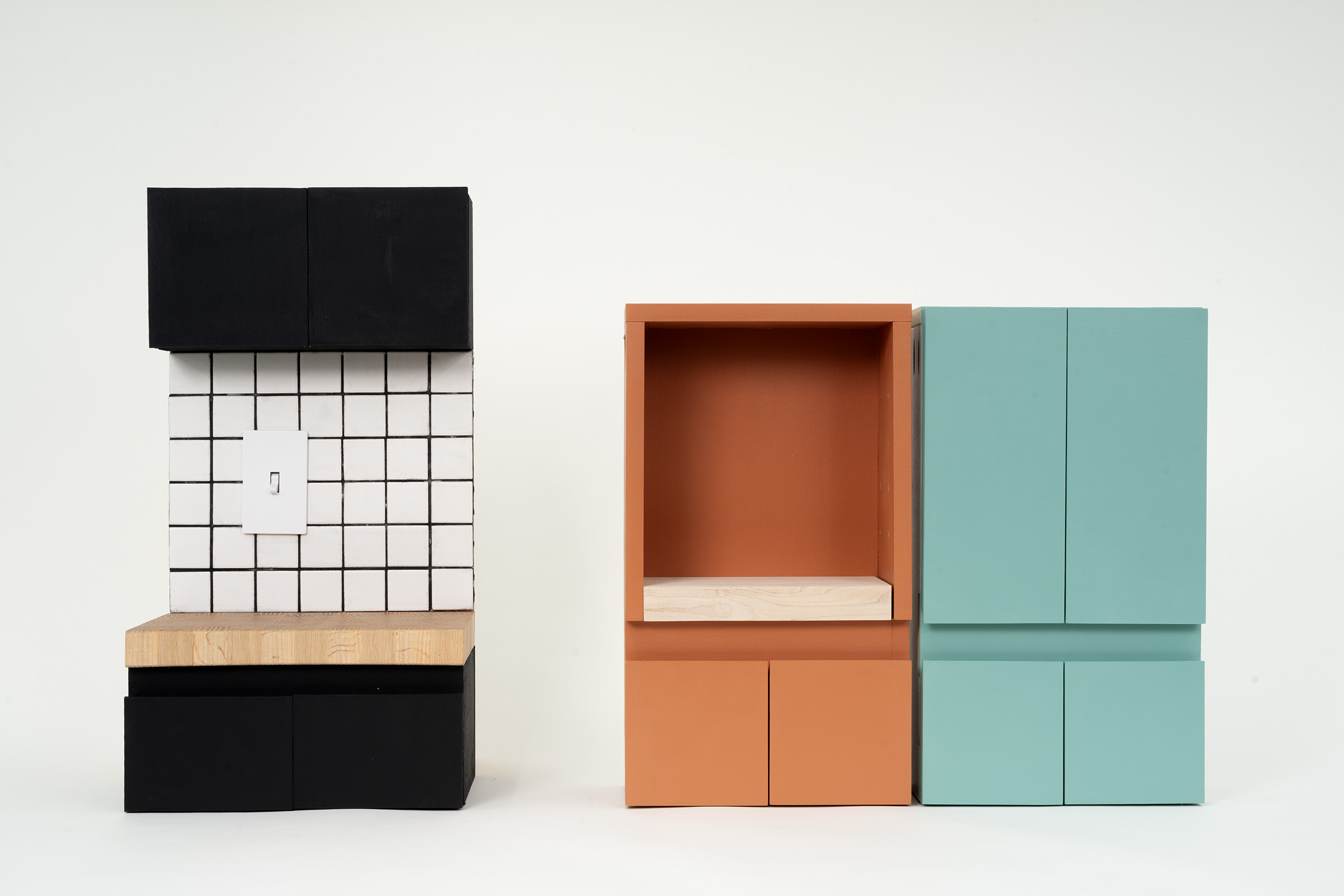
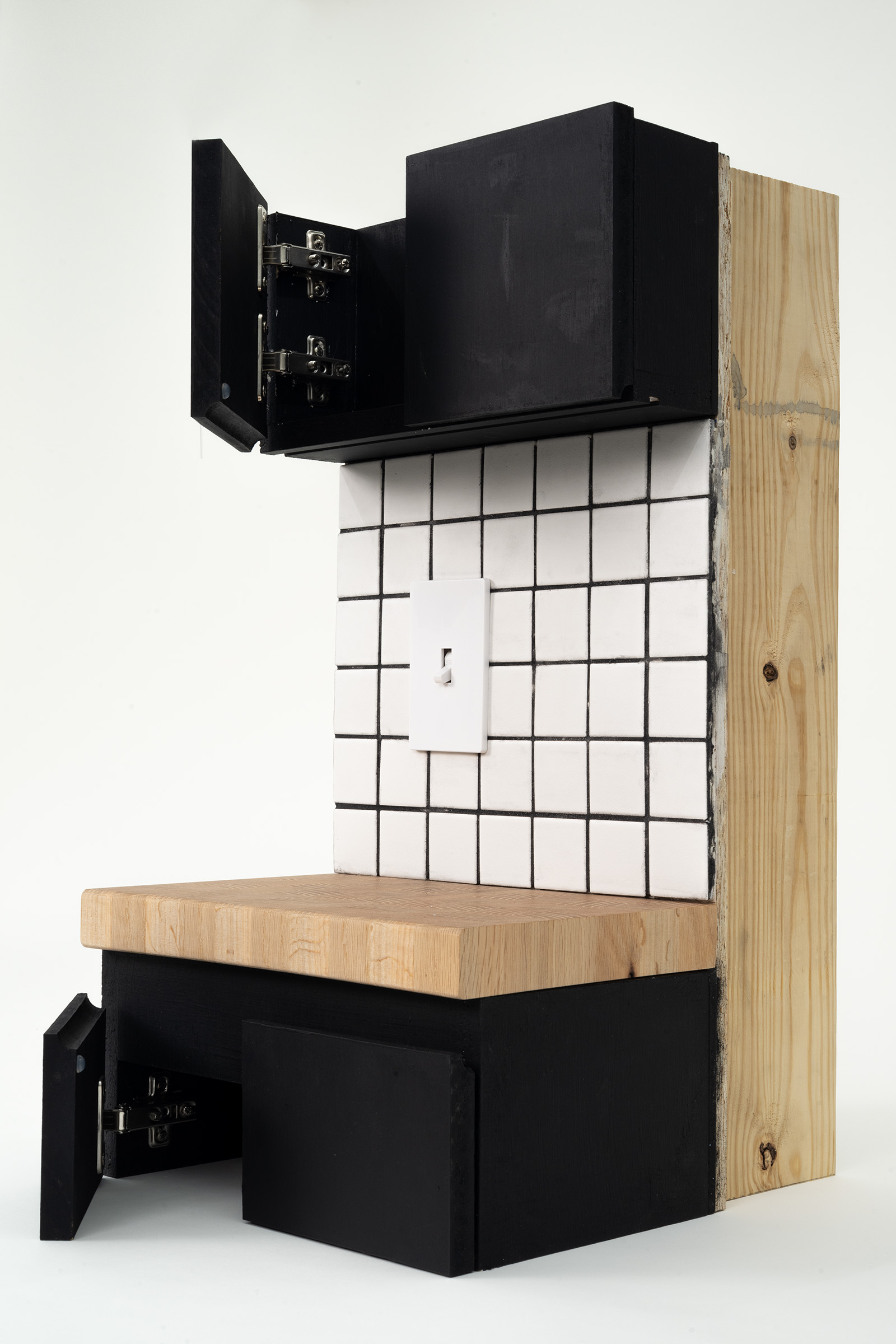
To provide variety in the available house types while controlling cost and quality, OurStory decomposes the complexity of this proposition into smaller, independent, and more manageable components or modules. This approach to prefabrication side steps the challenges of “volumetric modular” construction that requires complex transportation and installation logistics. The OurStory system uses a set of standardized cabinets to form “Storage Walls” to demise rooms and provide necessary infrastructure. Since these modules are nonstructural, the interiors of the houses can be remodeled without affecting the building envelope. The kitchen / bathroom “Wet Wall” consolidates all plumbing and most electrical systems into a single, 10’ two-sided factory-built wall with built-in connections for cabinets, fixtures, and appliances. The variety of plan options afforded by these components is extensive, and the OurStory catalog is expanding from an initial set of 2 to 9 or more plans.
While the plan is created by the arrangement of modules, the envelope is standardized by using Structural Insulated Panels (SIPs), a system not limited to fixed dimensional standards (panels can be fabricated at any size with zero waste up to 8’ x 24’ and joined easily on site).
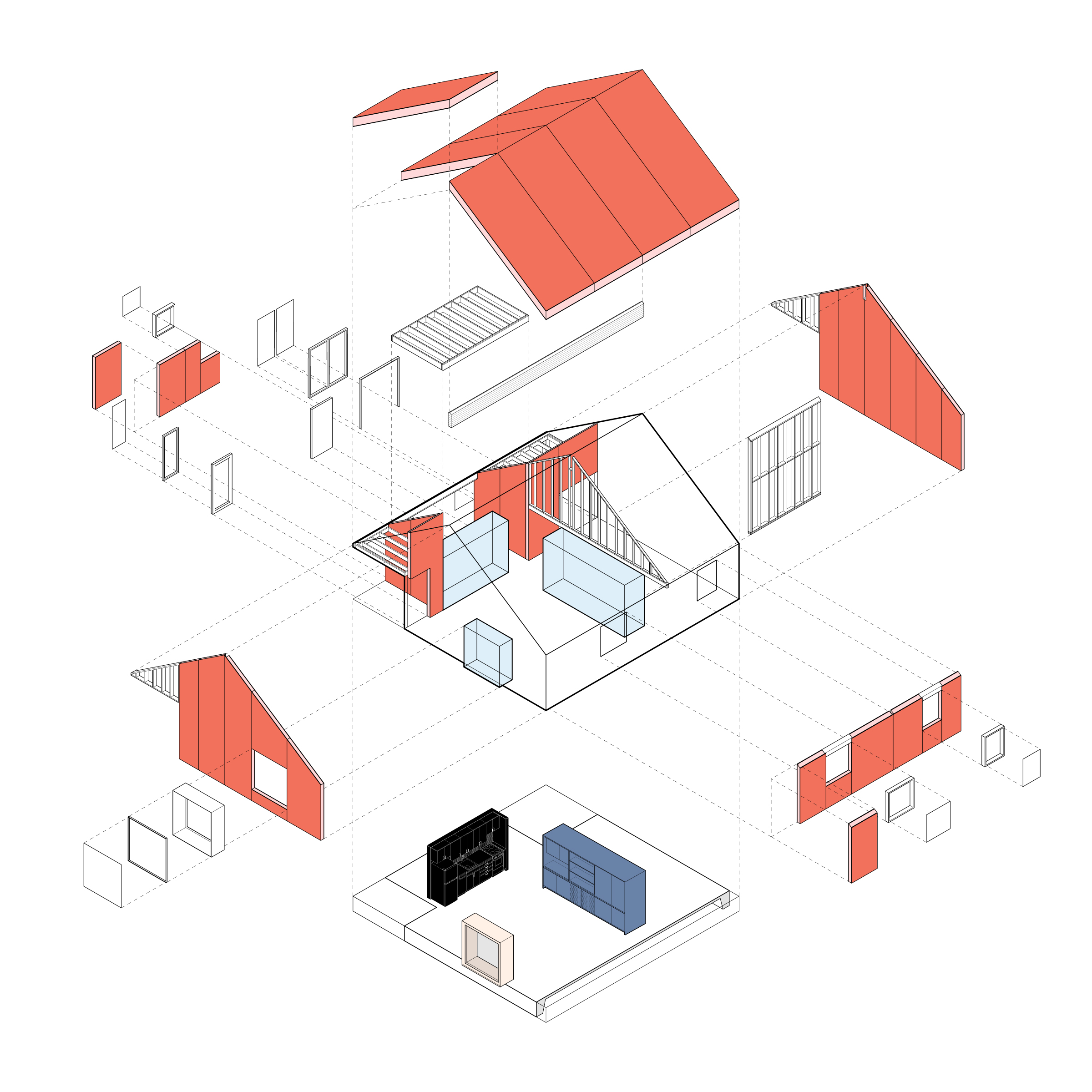
OurStory houses are designed for accessibility, energy efficiency, low embodied carbon construction, and low maintenance. The building envelope (exterior walls and roof) is constructed with Structural Insulated Panels (SIPs) to increase energy efficiency, improve air quality, and reduce material use and construction waste. SIPs can reduce construction labor cost by up to 55% over conventional wood “stick” framing. Storage cabinets and consolidated “wet wall” merging kitchen and bathroom utilities are prefabricated in a shop to increase precision and accuracy. Together with the SIPs, the prefabricated units are delivered to the construction site at just the right moment, limiting construction time, saving cost and disruption to the existing neighborhood. Heating and cooling is via electric heat pump with an ERV heat exchanger to maintain fresh ventilation in the air-tight house. The floor is an efficient and attractive polished concrete slab on grade. This may be upgraded with an optional hydronic in-floor heating system to improve comfort and reduce indoor dust circulation. Appliances are all Energy Star rated. Considering all the knock-on benefits of the SIP system, the overall and long-term costs are less than conventional construction.
See Corby + Benson for the design and construction of the first two houses in the system.
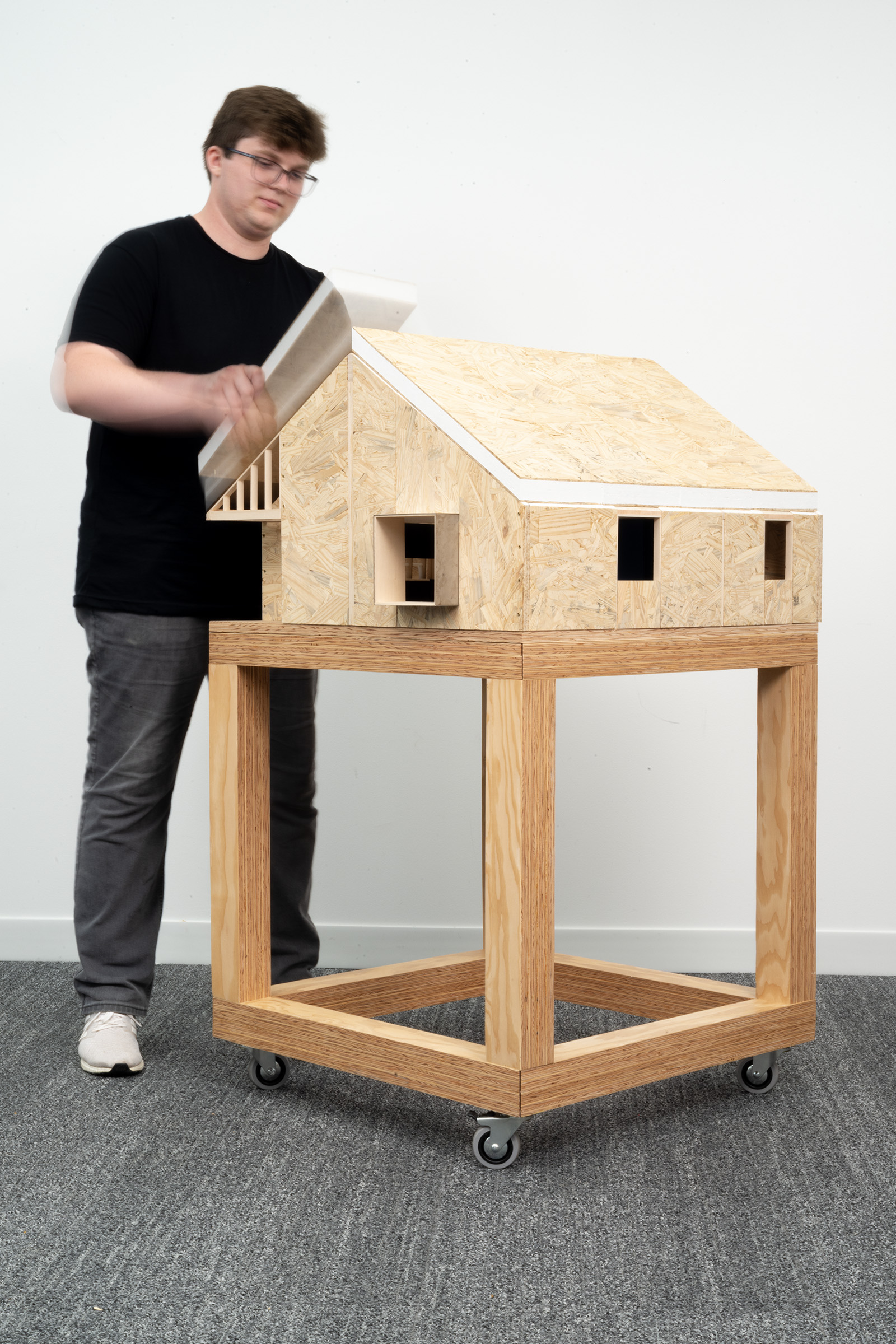
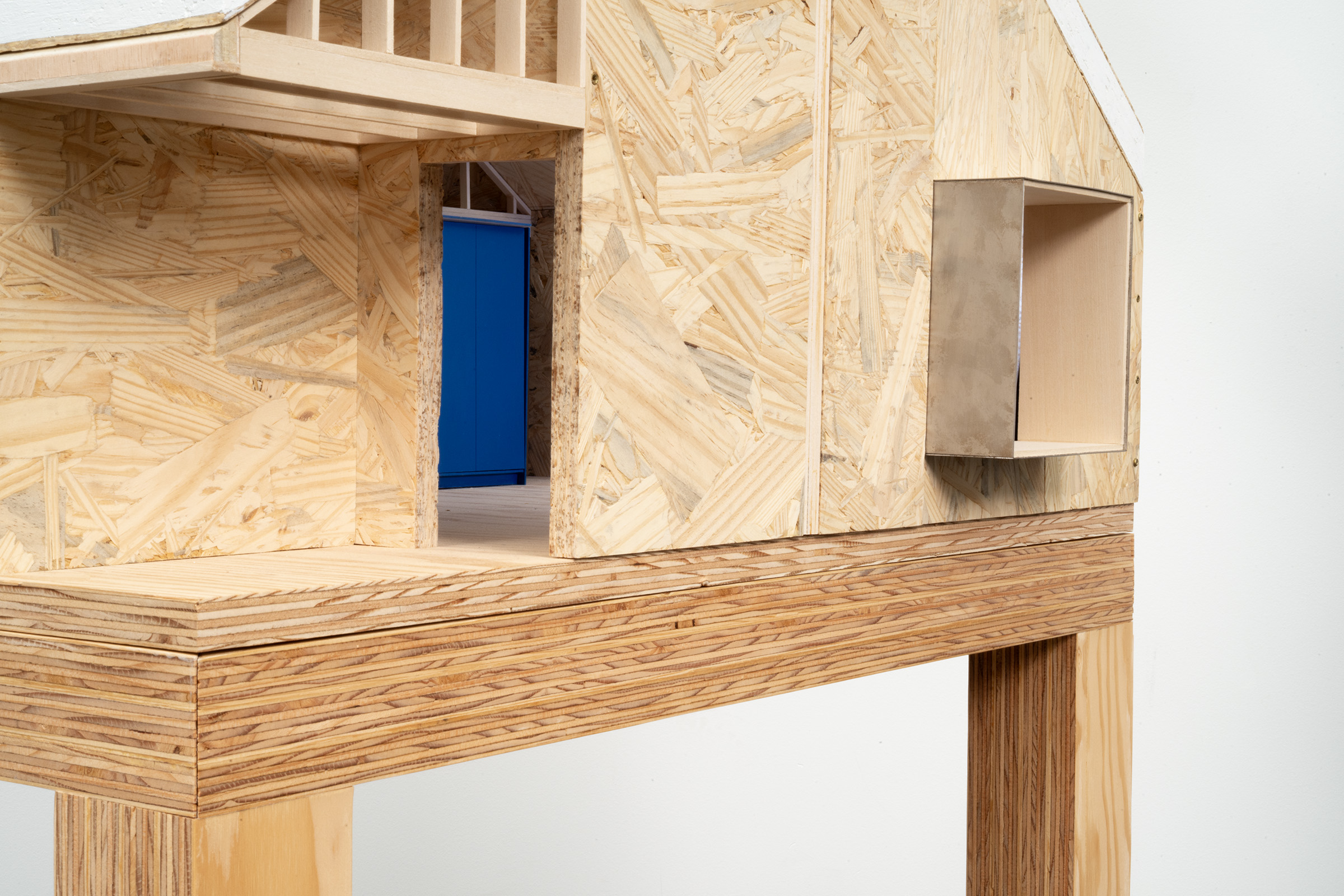
1" = 1'-0" construction model
OurStory argues for a housing model founded on the belief that cost should be based on long-term affordability. This approach dignifies the resident with eminently livable and energy efficient spaces. To offset a space efficient, small floor plan (less than typical home square footage), SIP panel construction allows for a generous, lofty high ceiling without sacrificing building performance or increasing cost – the SIPs are both building structure, insulation, and vapor barrier. The incremental added cost to build with SIPs over stick framing is offset by long term energy savings, benefiting the occupant’s carbon footprint, and their wallet. Custom made cabinetry replaces stud framed, permanent closet walls while increasing the amount of storage that can be accommodated in a small area. Adaptable window locations, and the optional bay window, help to visually extend the living area with “borrowed landscapes” from views to the exterior. Simple solutions such as the polished concrete slab on grade floors eliminate the need for layered finishes to save cost while providing a clean, contemporary look. These floors can be simply polished and sealed or for an upgrade, ground to expose aggregate for a terrazzo look.
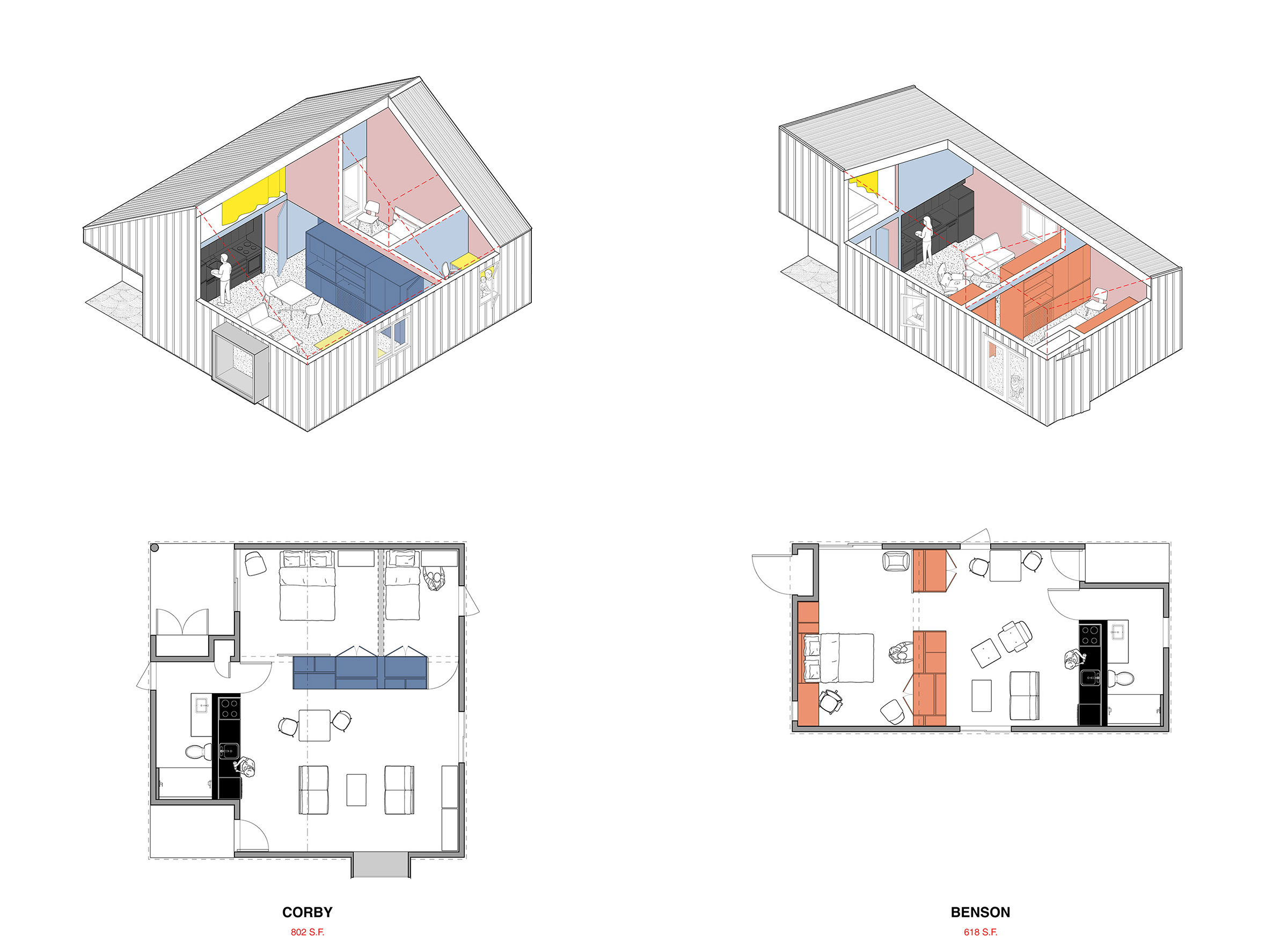
The first two houses in a growing catalog – see "Corby + Benson" webpage
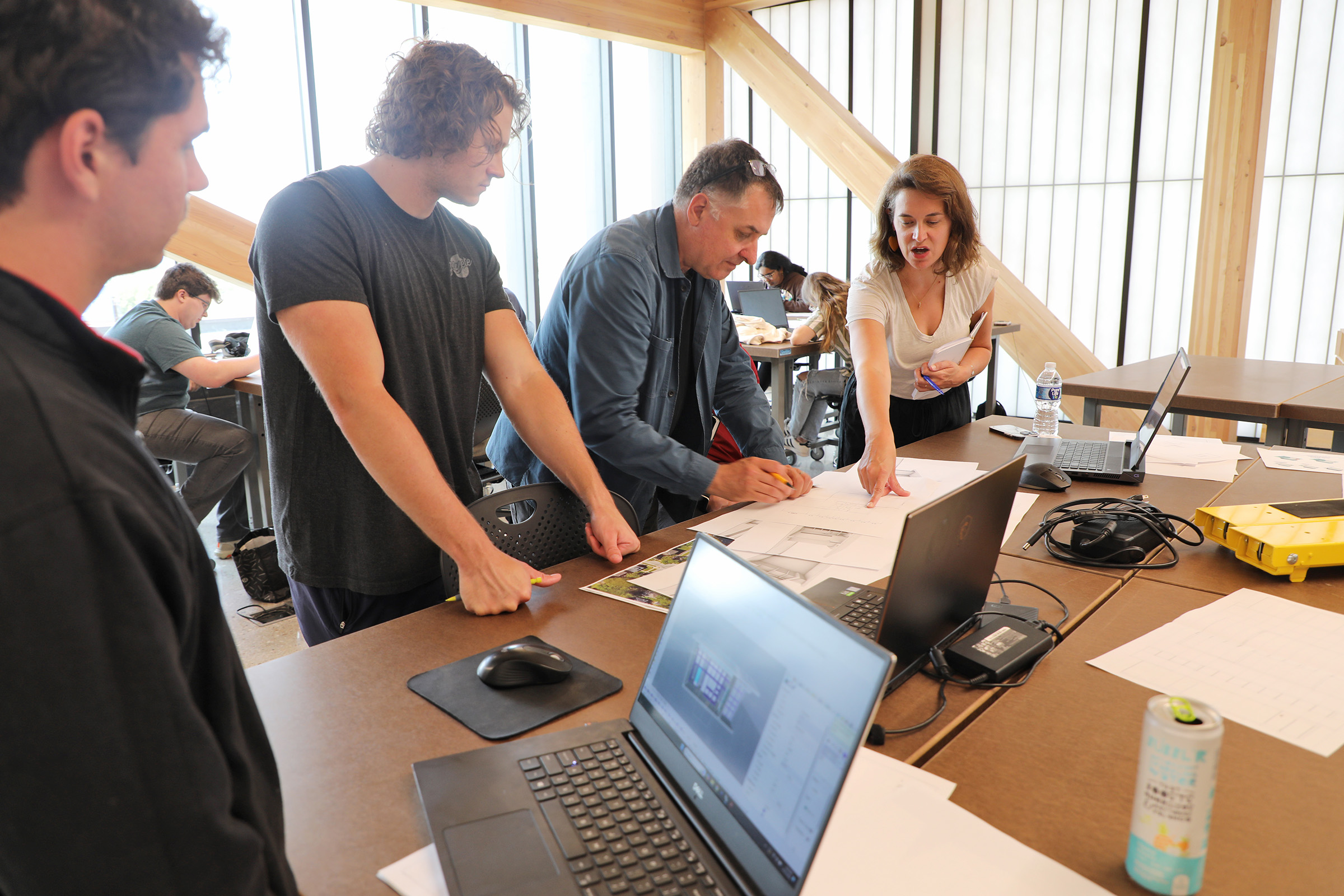
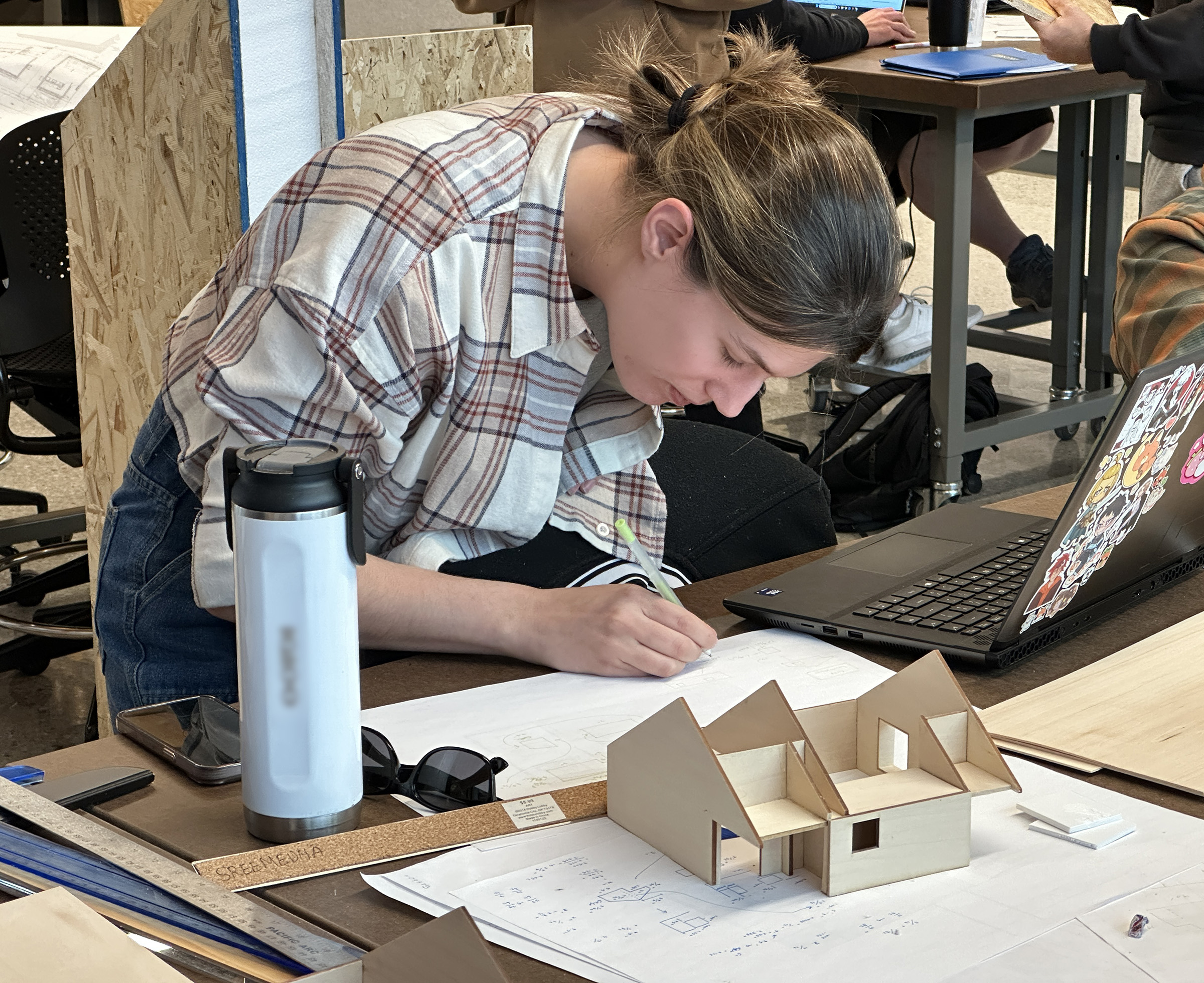
In the studio, photograph by Craig Chandler, UNL
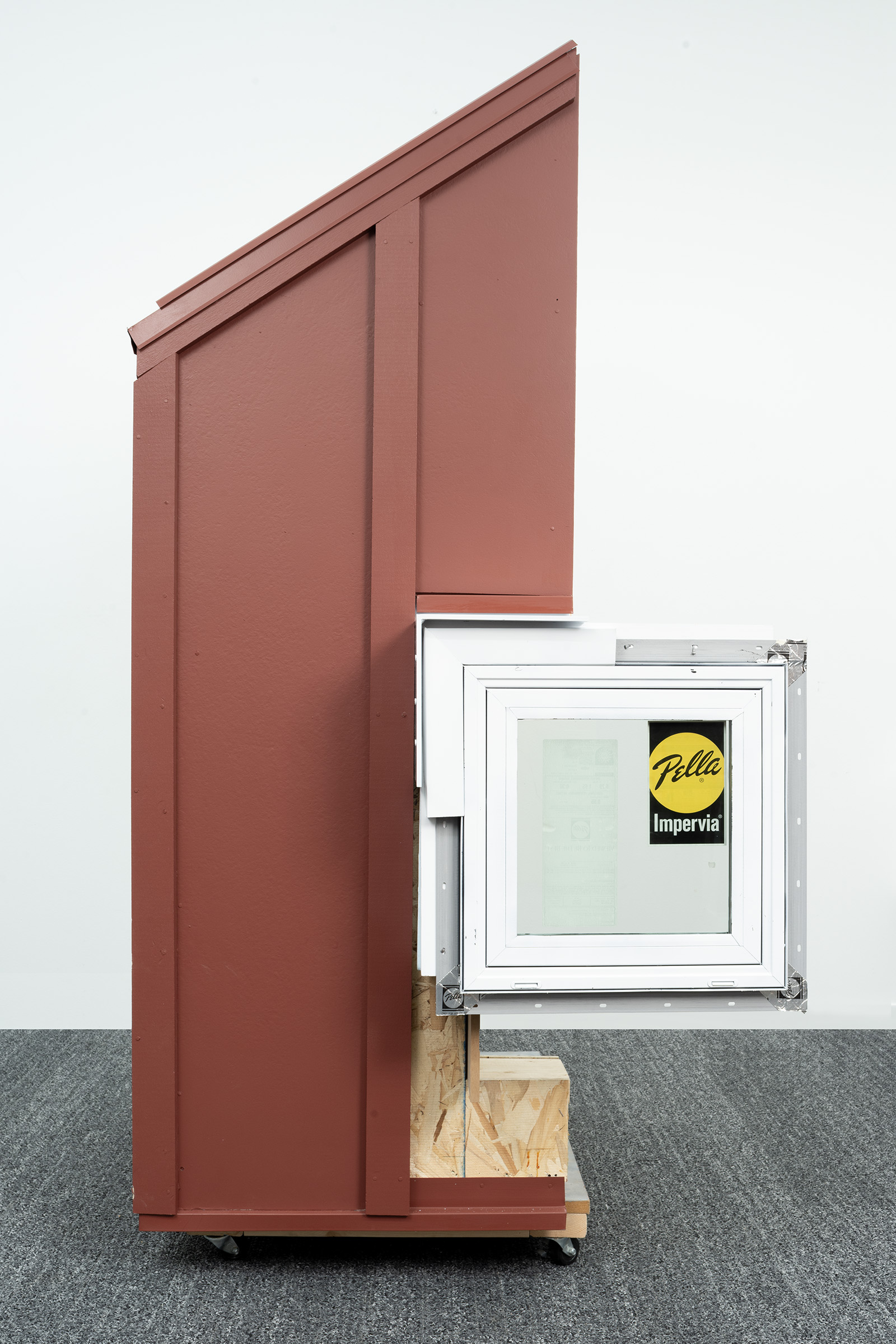
Working with Full-scale Mockups:
Mockups are a common feature in the construction industry, especially for large, complex building assemblies such as custom facade systems, hospital surgeries, and other highly specialized building systems. However, these are typically built to validate design decisions made in conventional ways via computer models or drawings. The mockup verifies details and constructibility after significant investments in design detailing are complete. FACT uses mockups differently: the full-scale mock up is the site of design development, the method through which details are created, tested, and verified. FACT builds mockups after concepts are defined in the Schematic Design phase but before commencing final Construction Documents for a project.
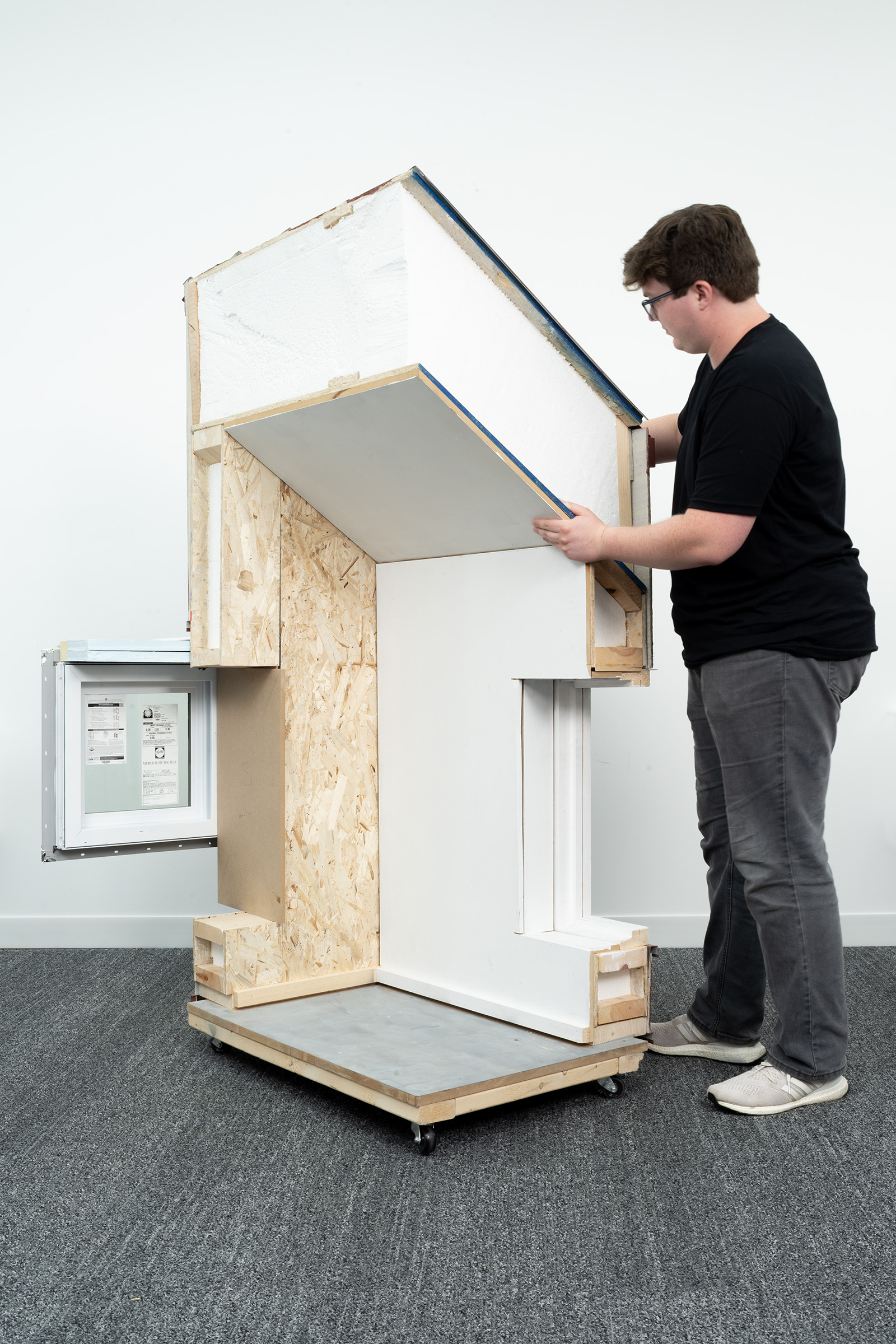
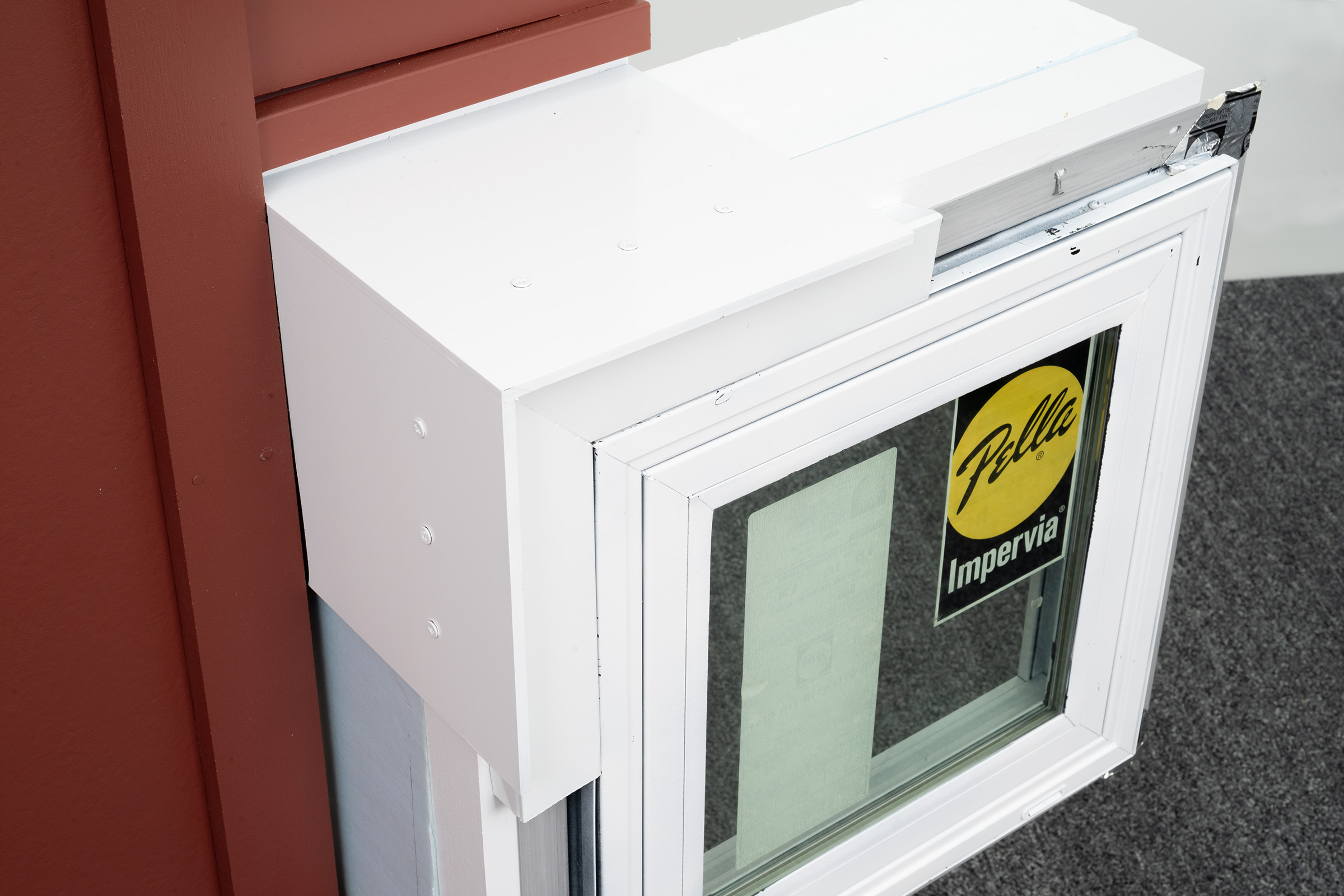
Full-scale mock up of typical OurStory details including the bay window
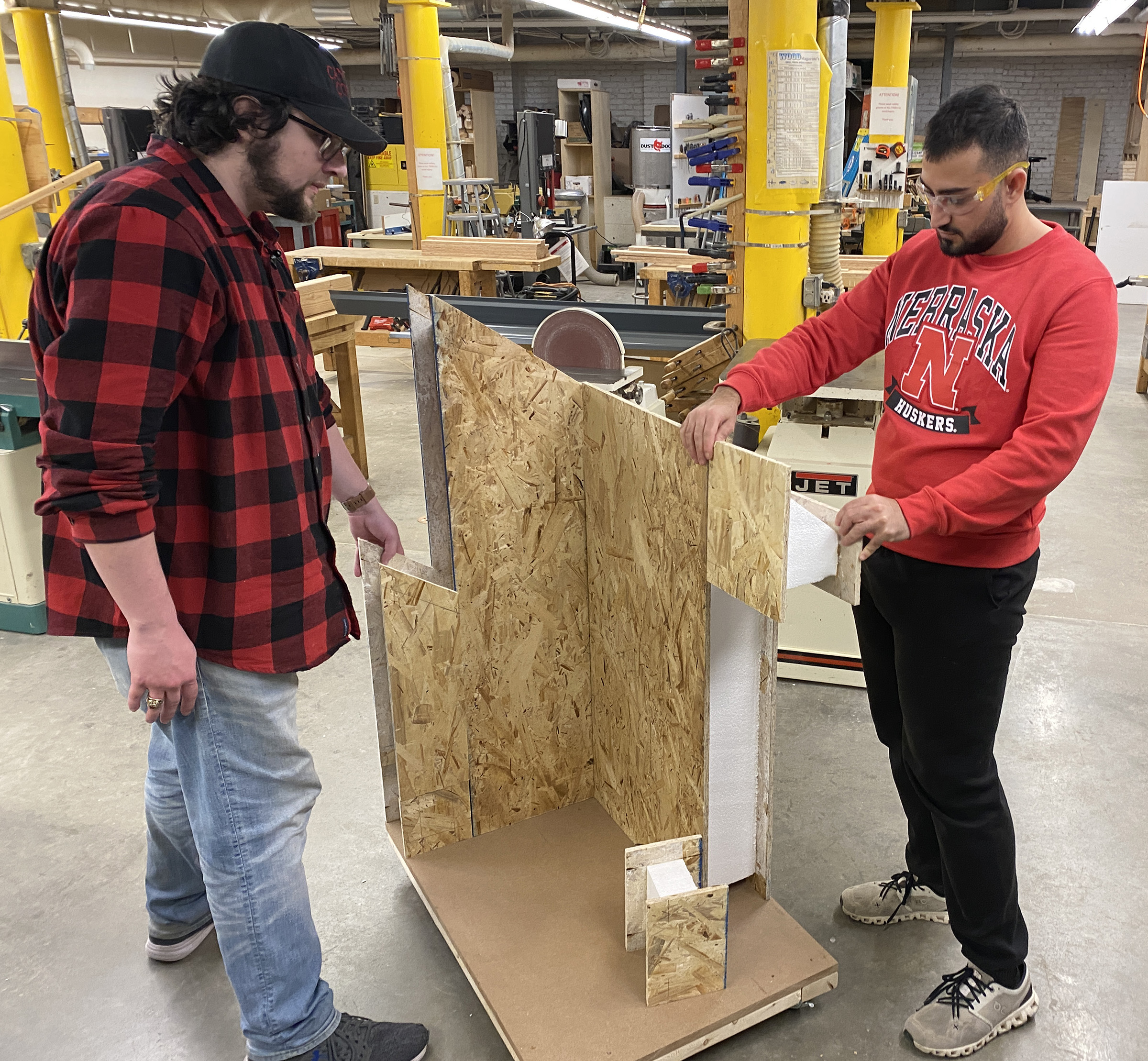
Building a full-scale mockup
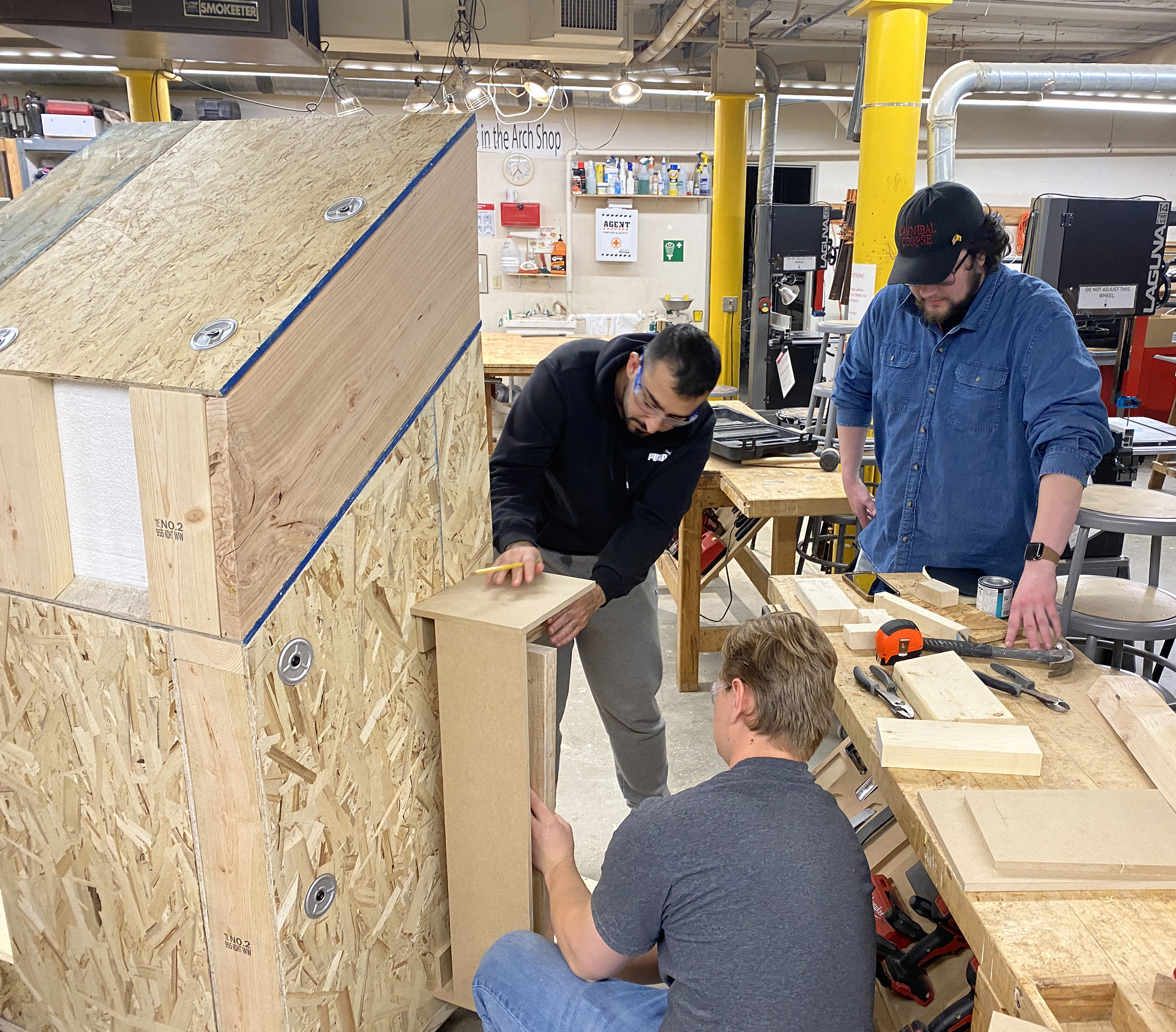
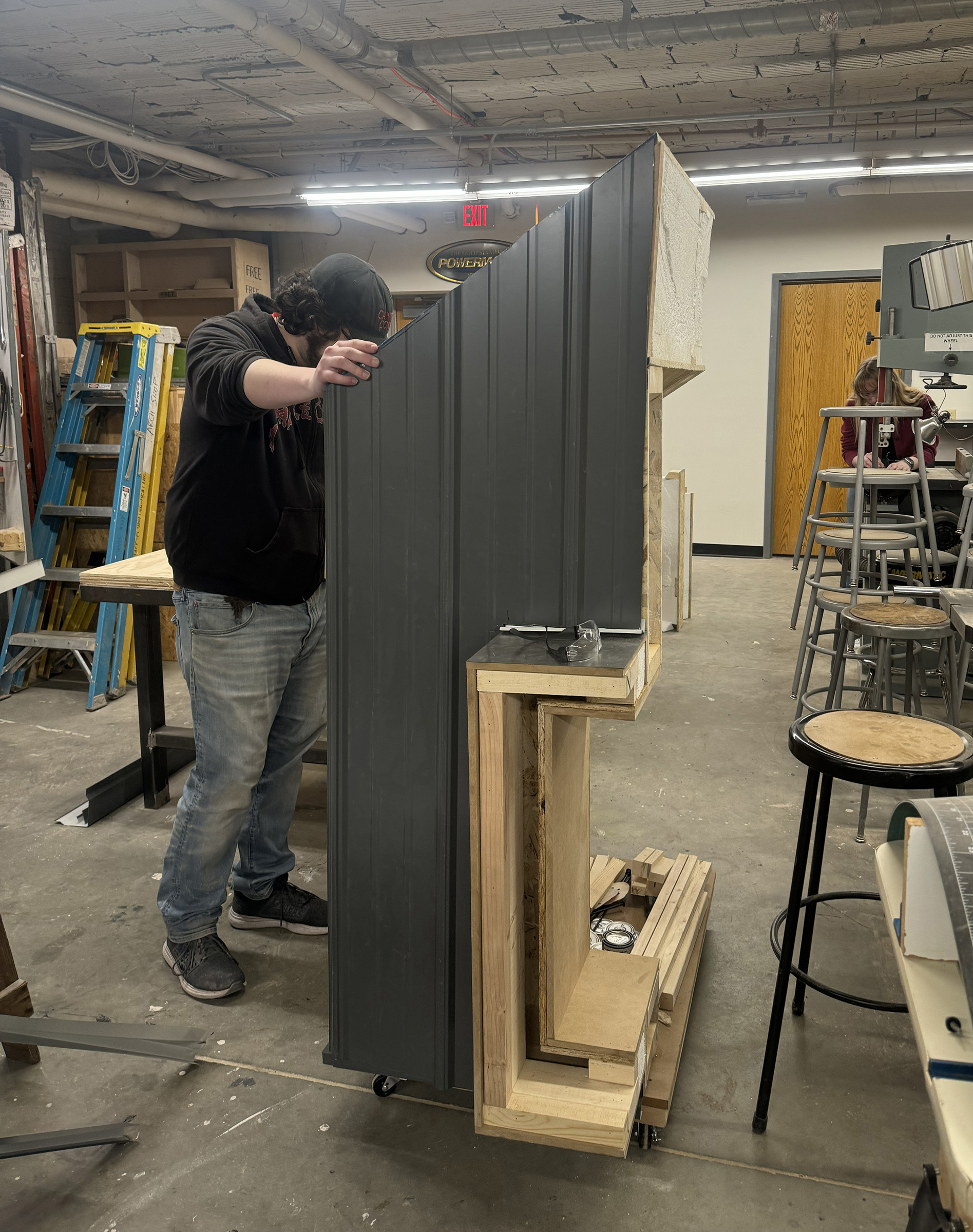
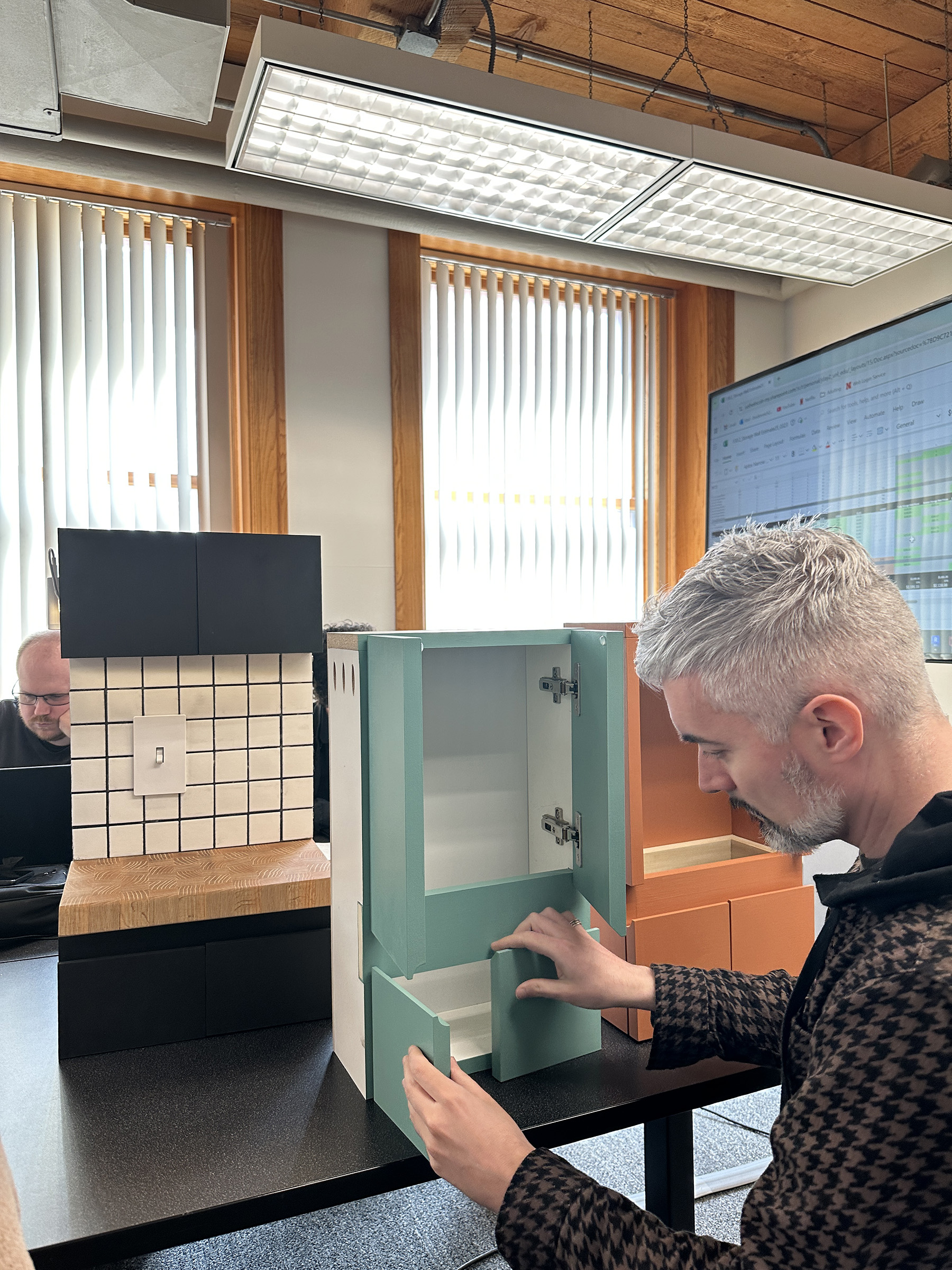
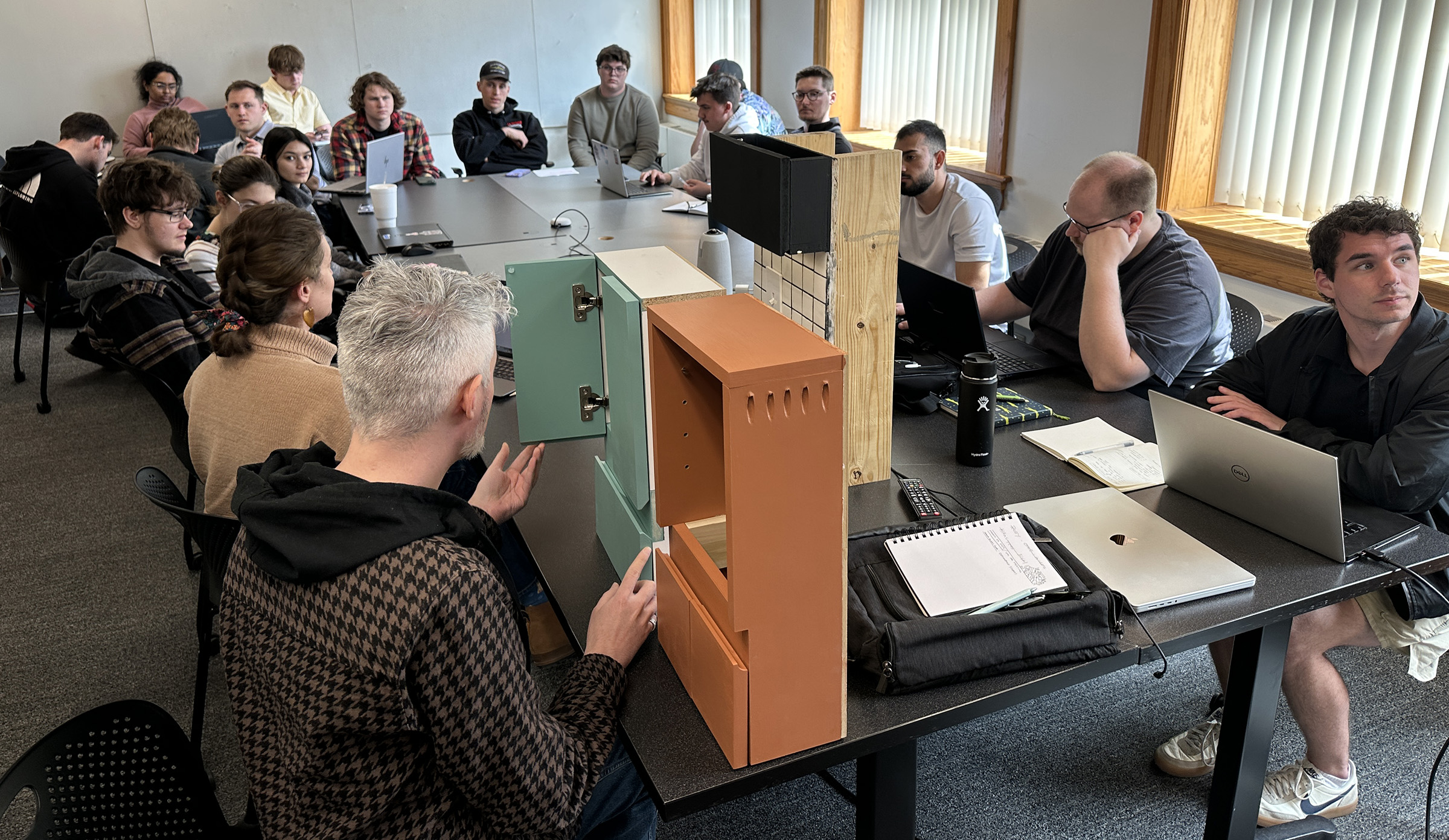
Studio meeting, evaluating full-scale mockups of interior "Storage Wall" and "Wet Wall" components
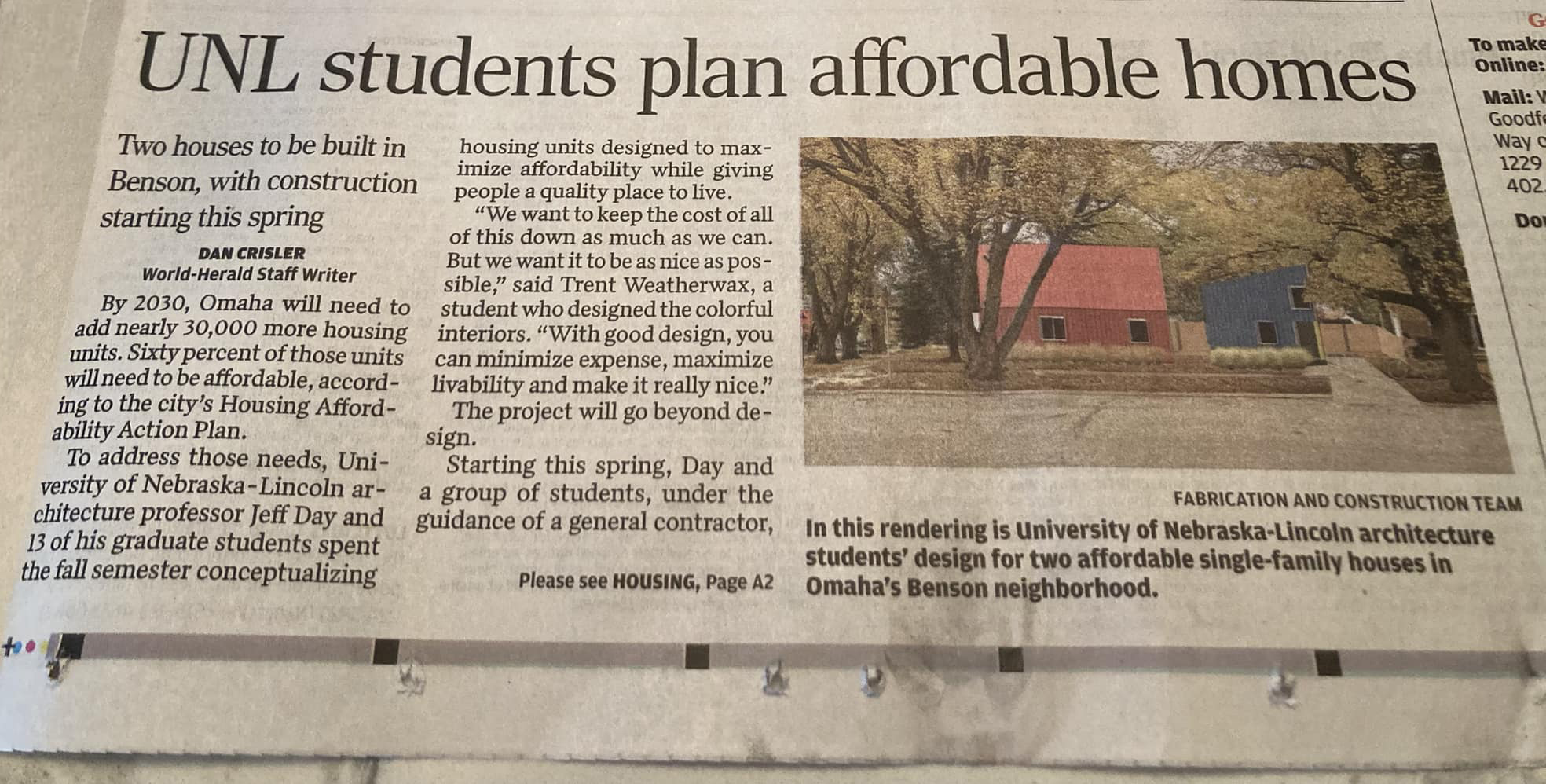
OurStory in the Omaha World Herald (see link below in "Recognition")
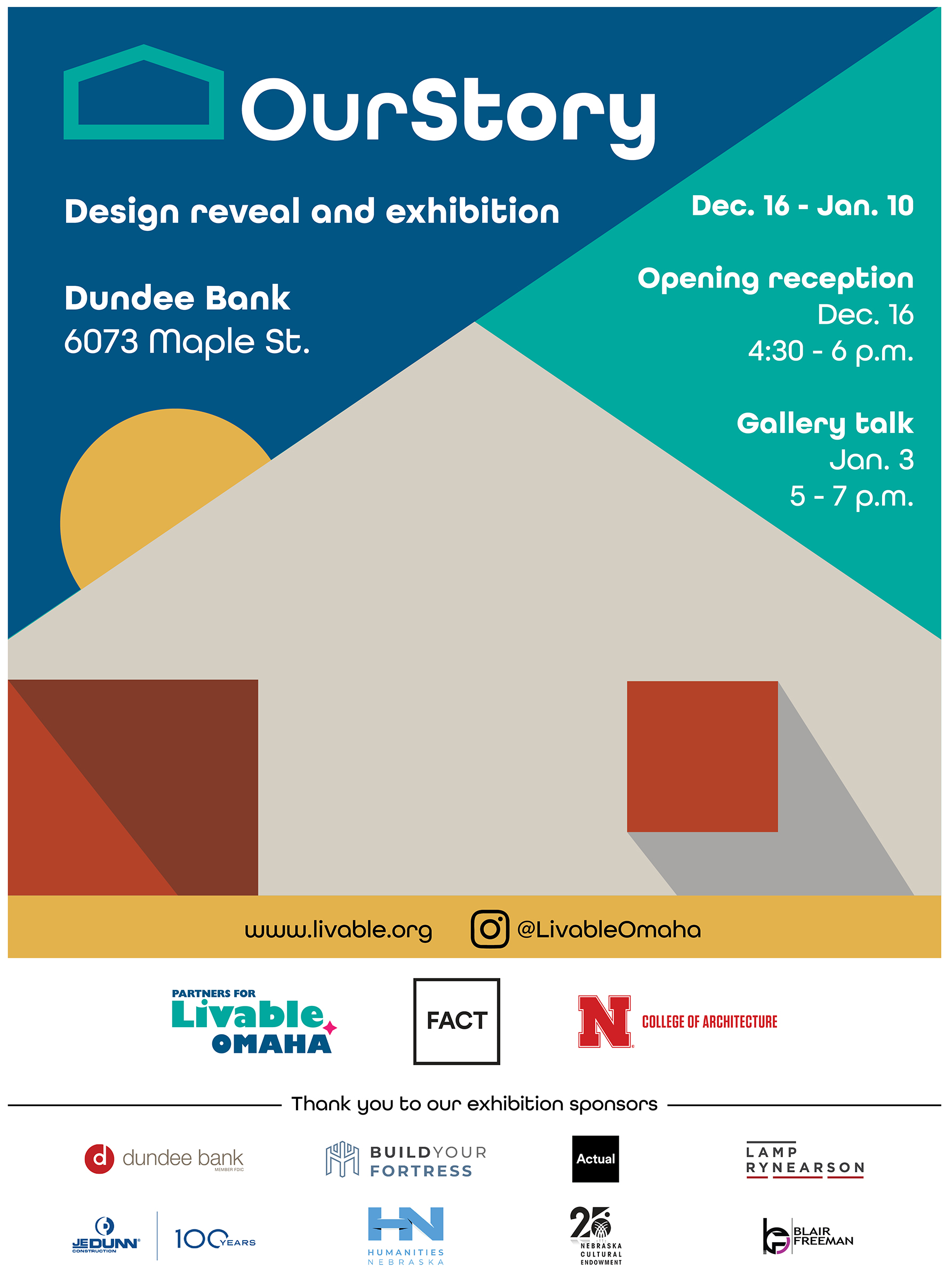
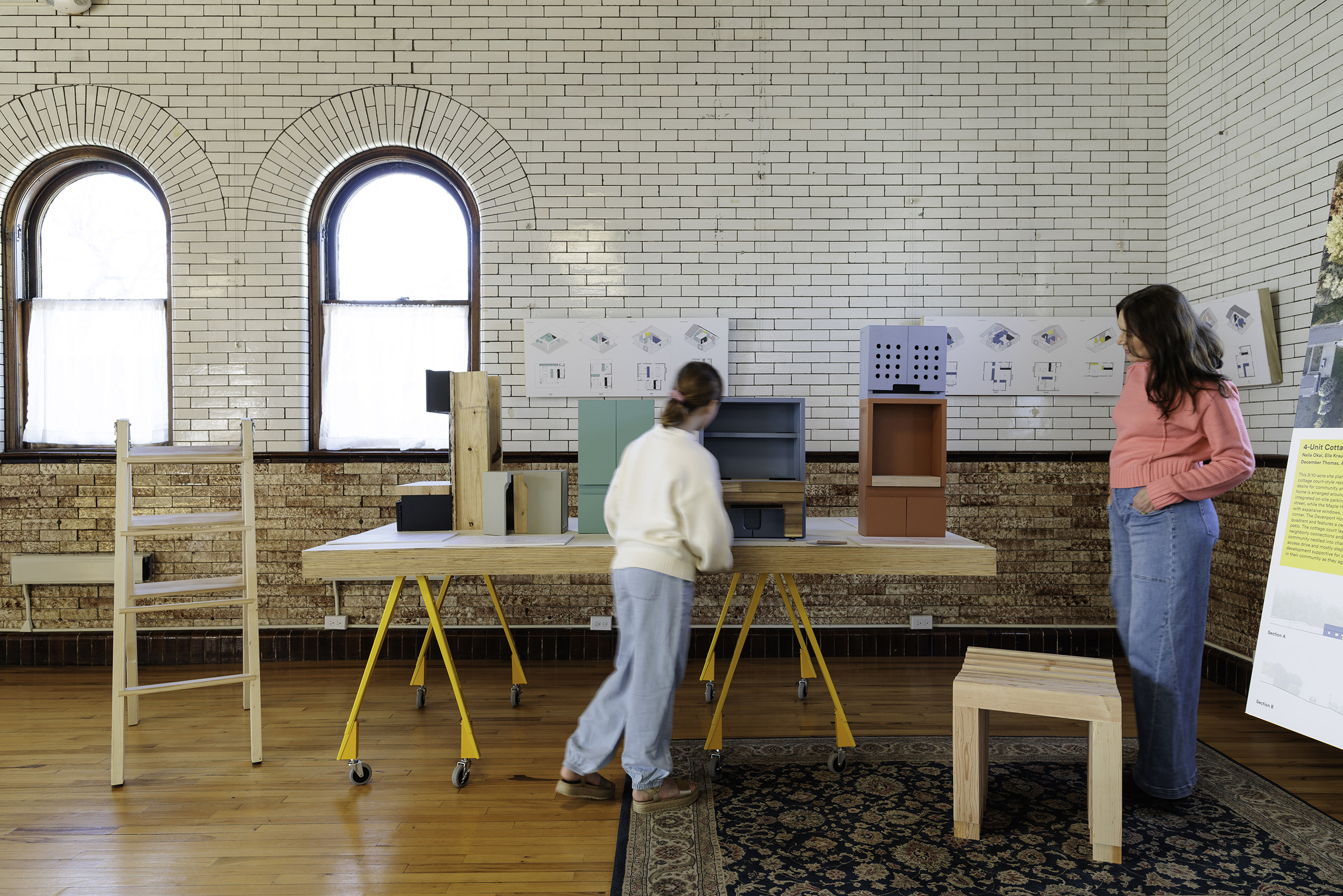
Exhibition & Design Reveal, December 2024 - January 2025
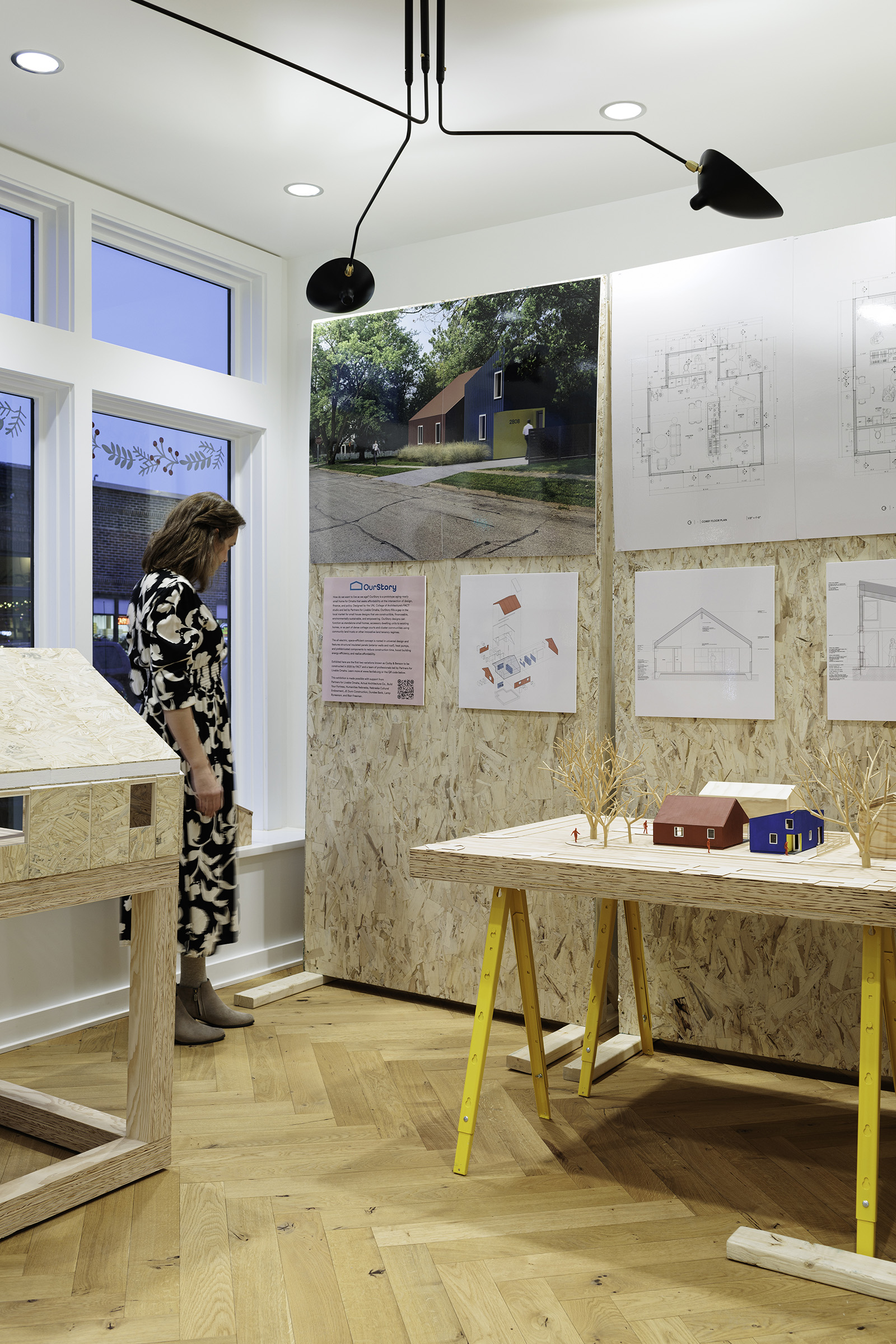
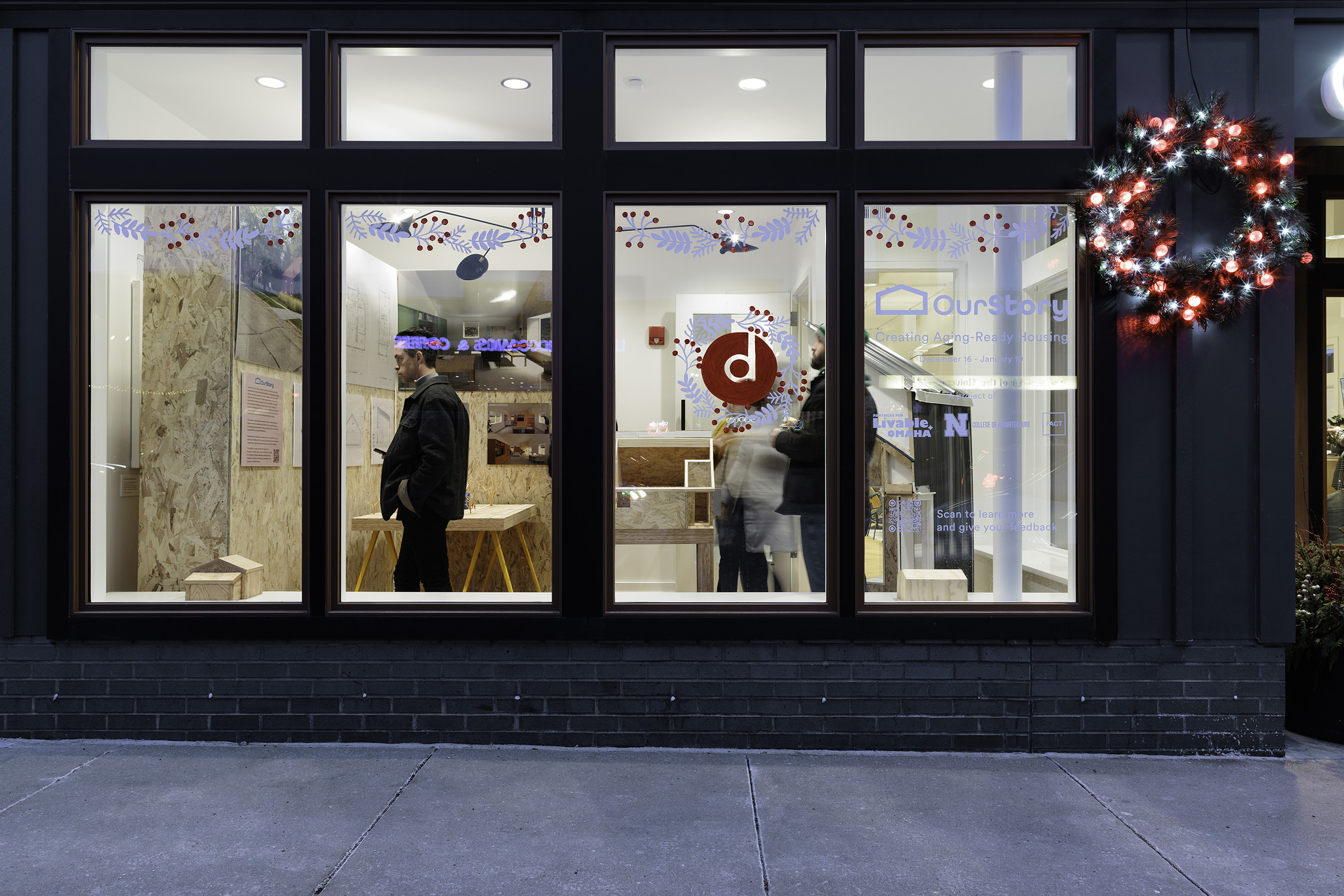
"OurStory: Building Aging-Ready Housing" at Dundee Bank gallery
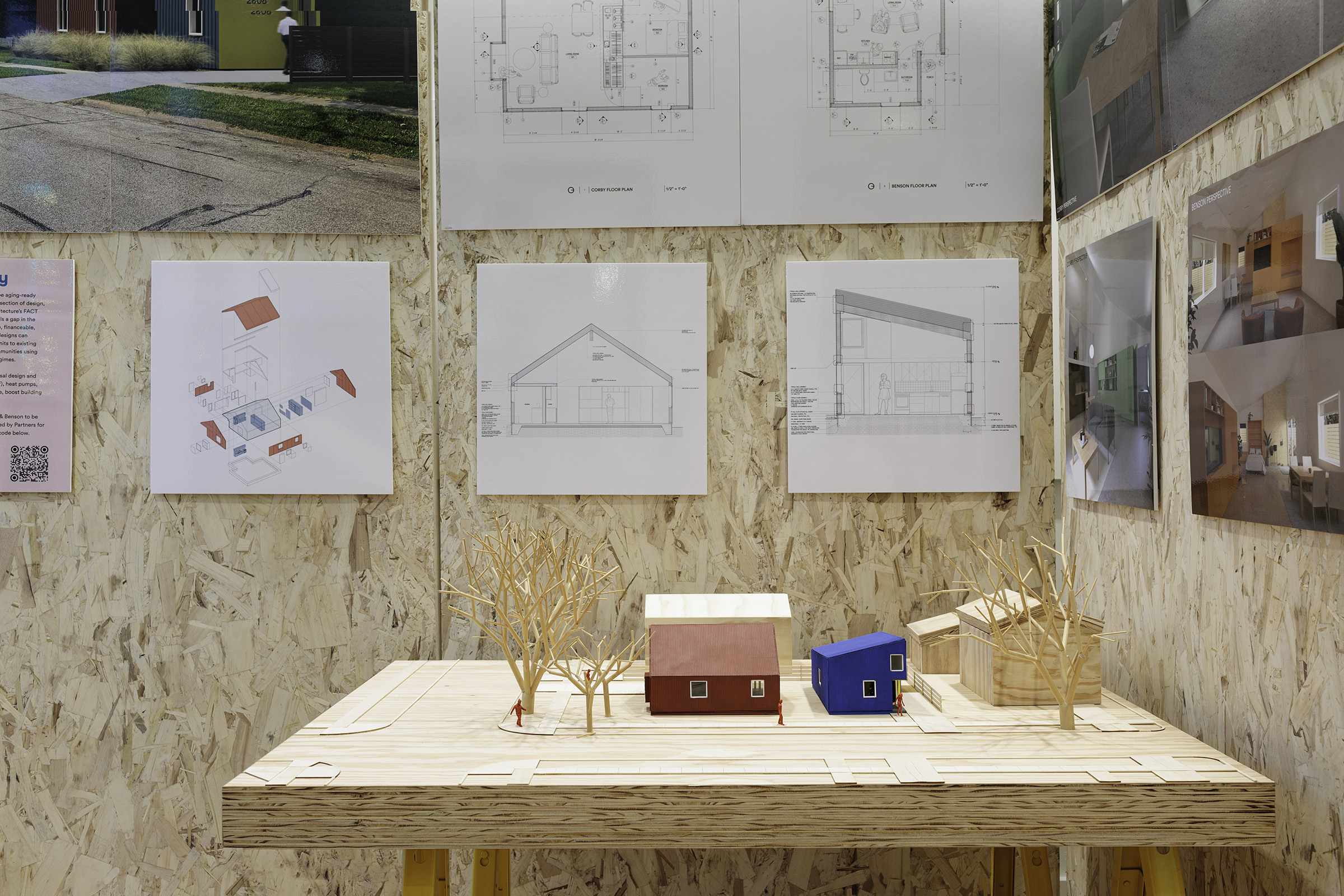
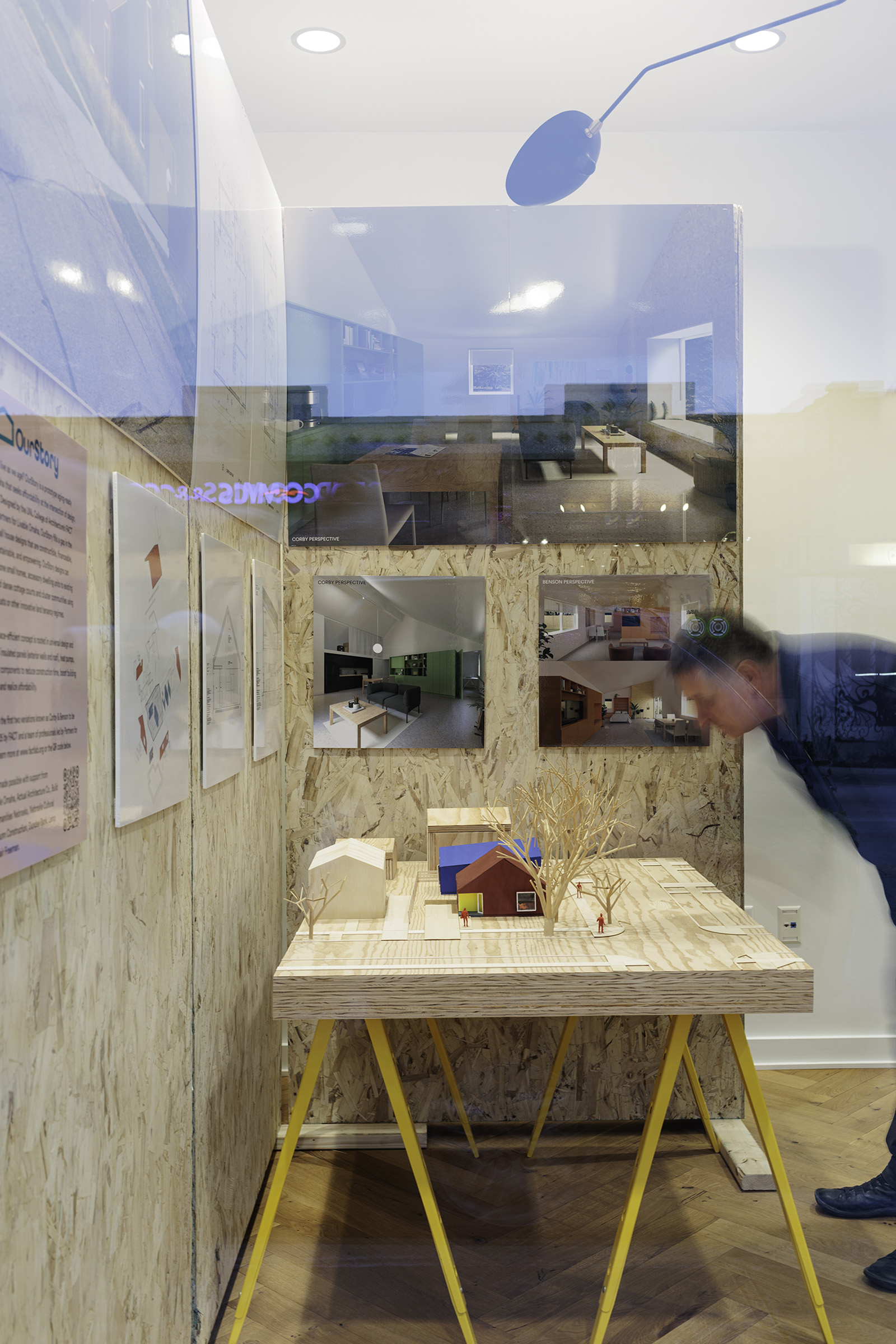
OurStory maybe be build in many different settings, including, where permitted, as a detached Accessory Dwelling Unit (ADU) adjacent to an existing home. This guide was adapted for an Omaha audience by Partners for Livable Omaha (Livable Omaha), from information created by Casita Coalition in California, and then reviewed by Omaha-based lenders for accuracy. While this information is Omaha specific, many of the recommendations are applicable to other communities in the USA. For more information about Livable Omaha, visit www.Livable.org or contact Jessica Scheuerman at jessica@livable.org.
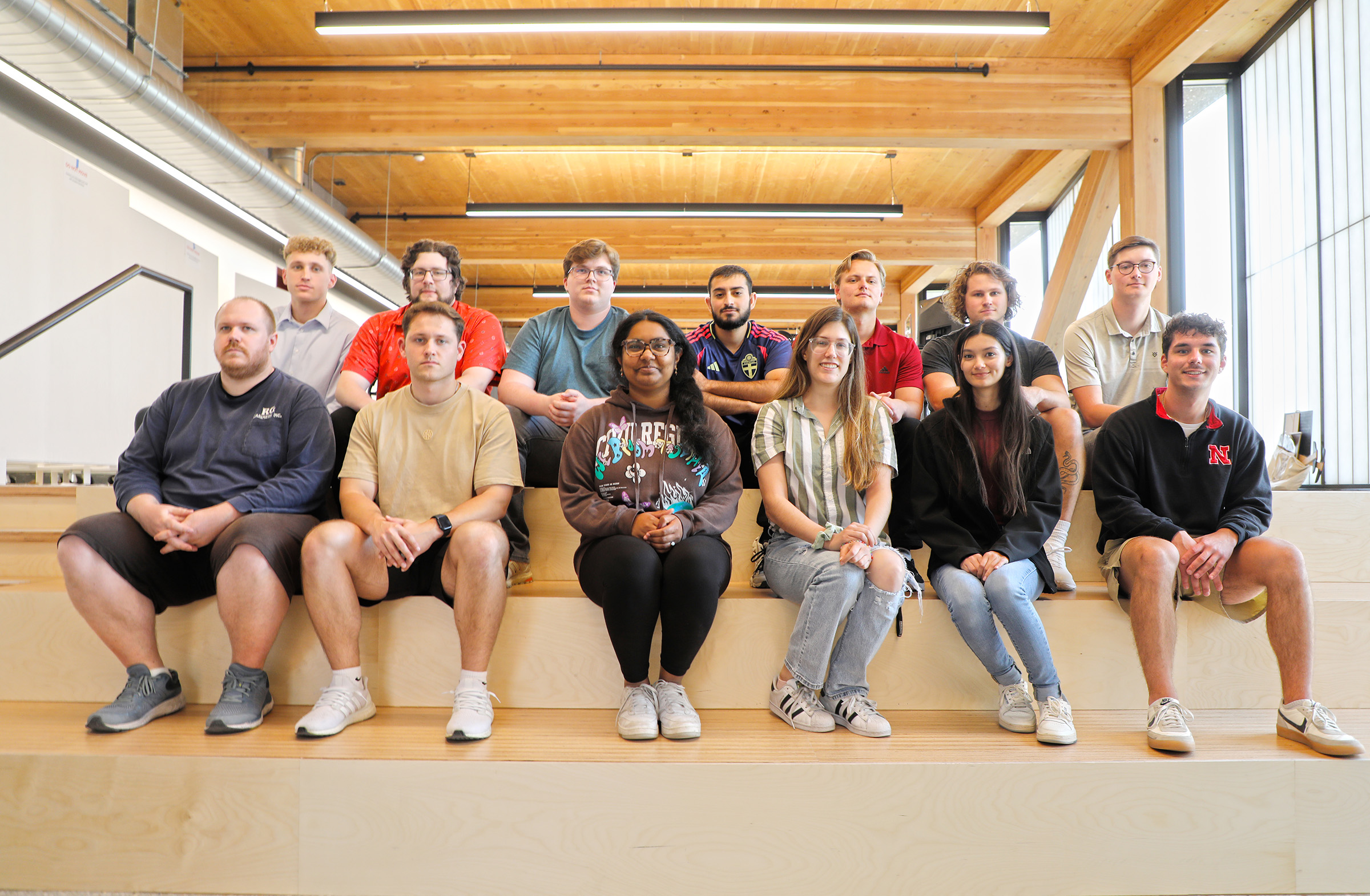
FACT 30 Fall 2024 team, photograph by Craig Chandler, UNL
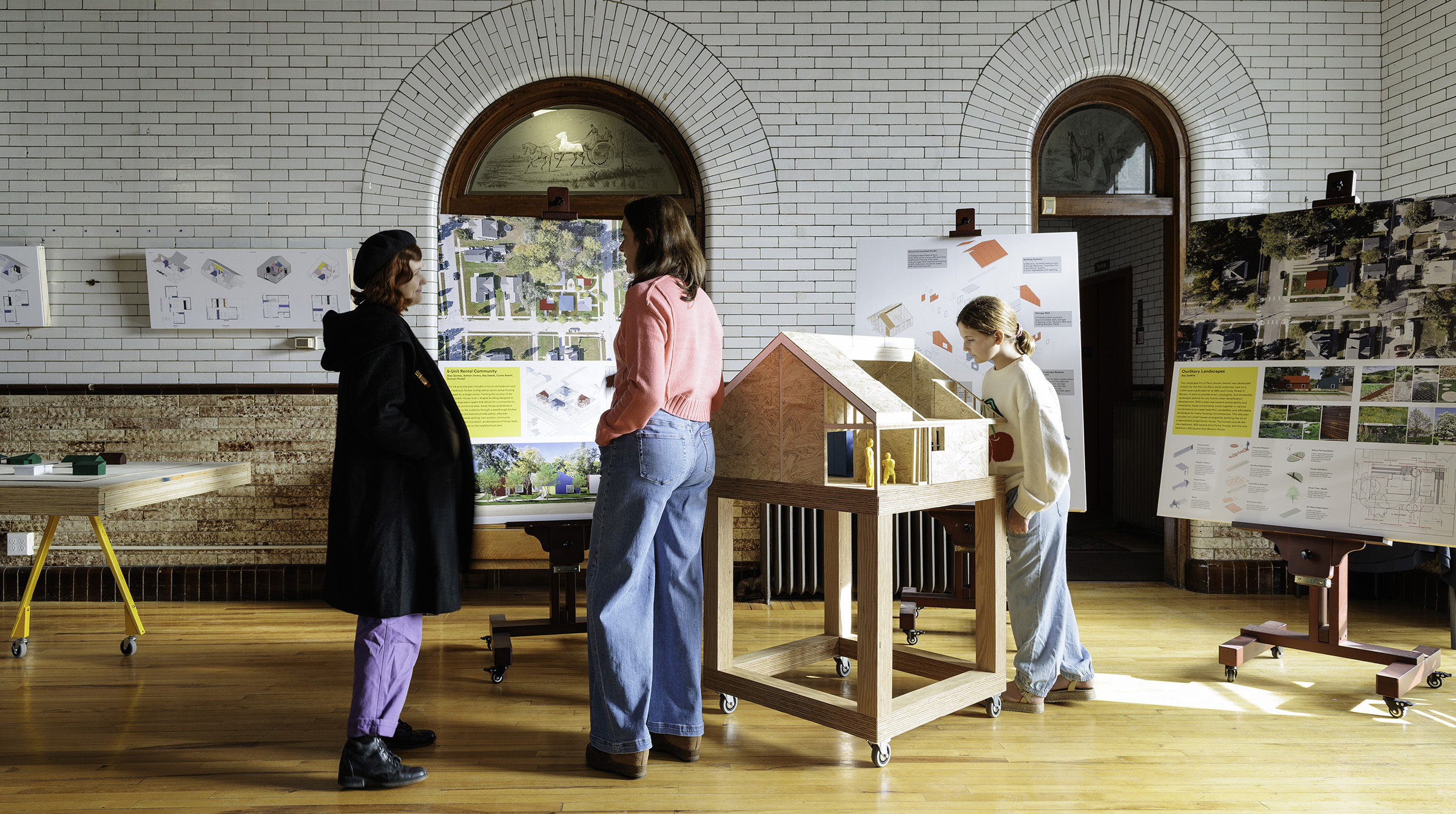
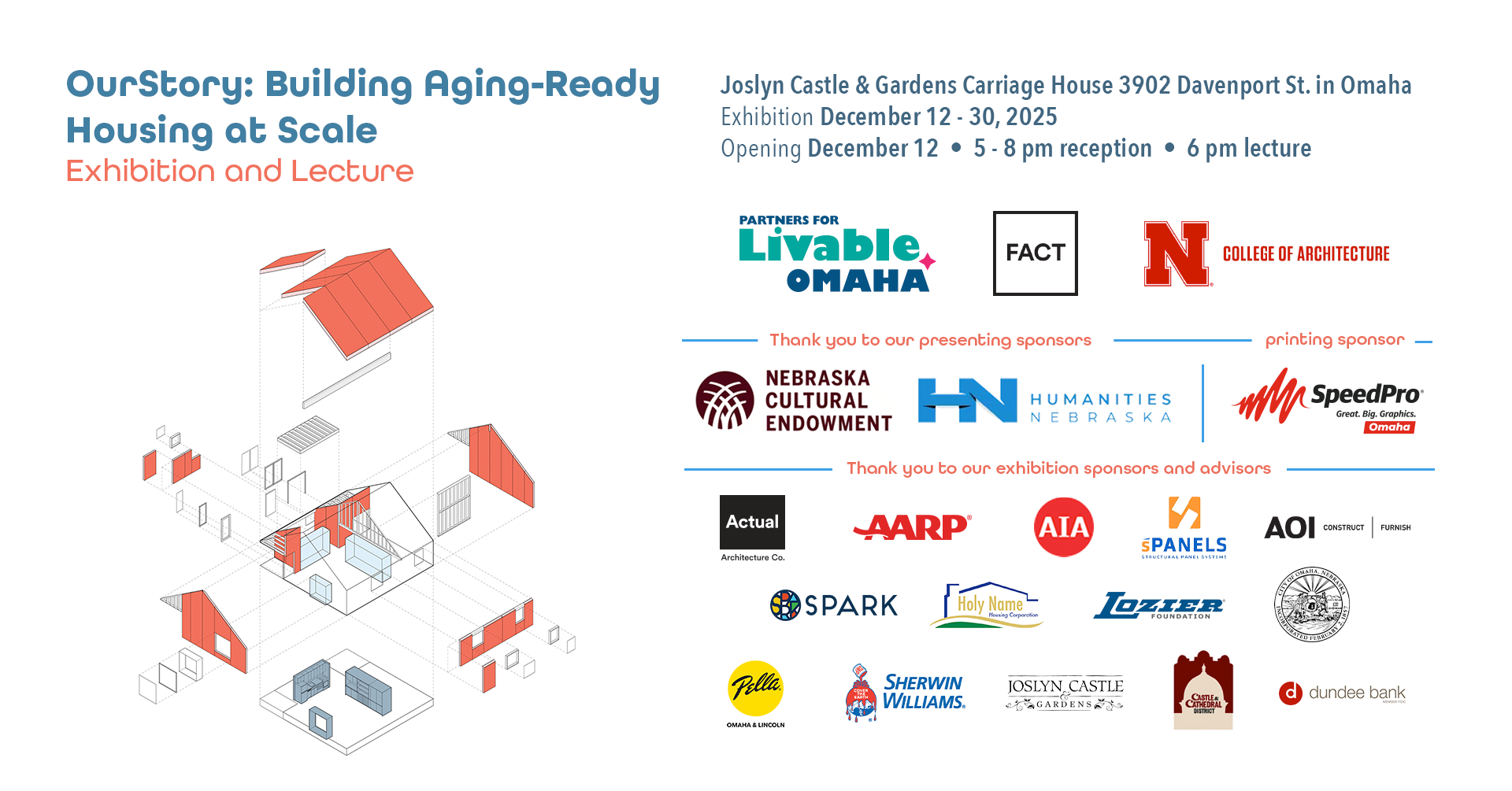
The exhibition was sponsored and supported but a wide range of generous donors
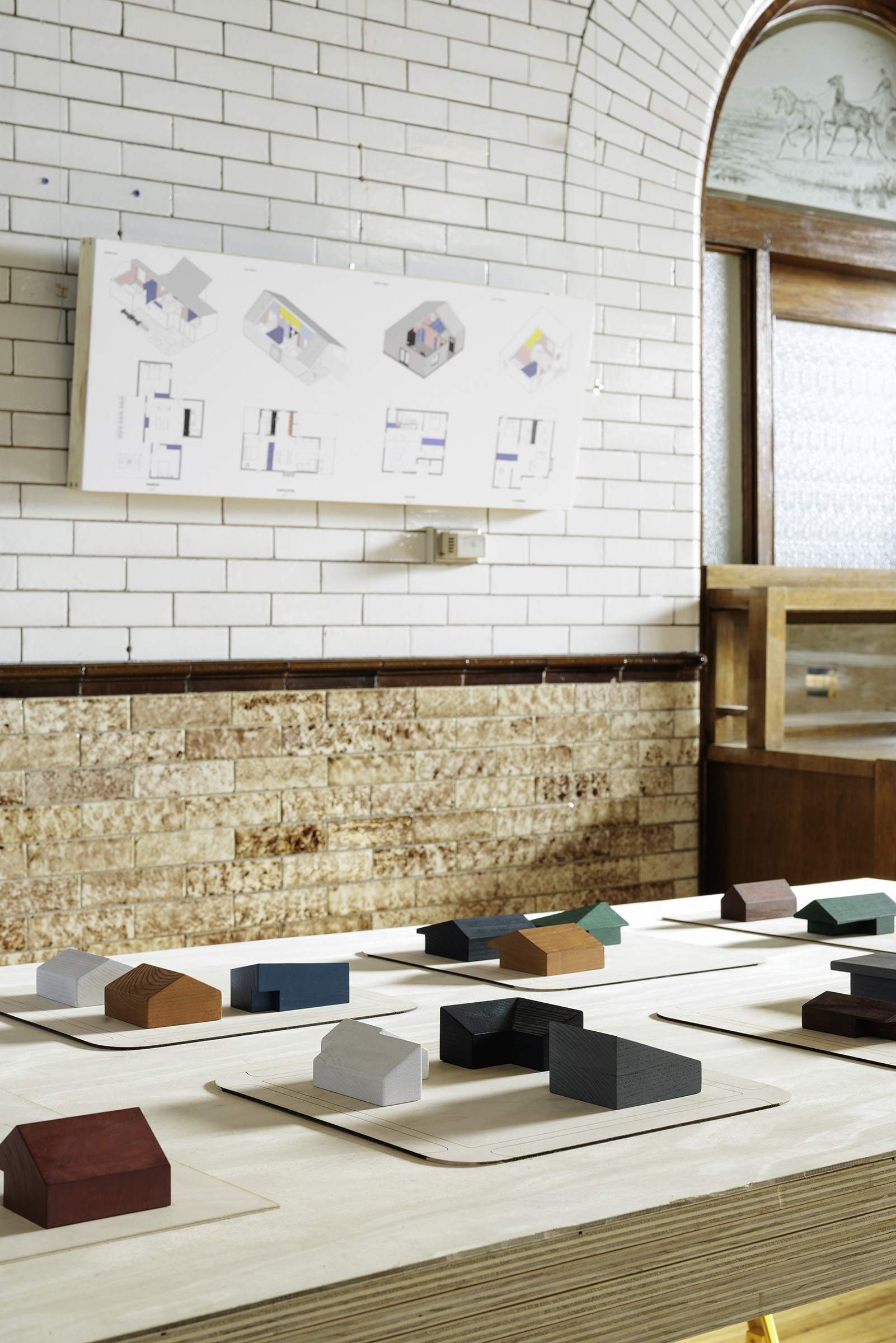
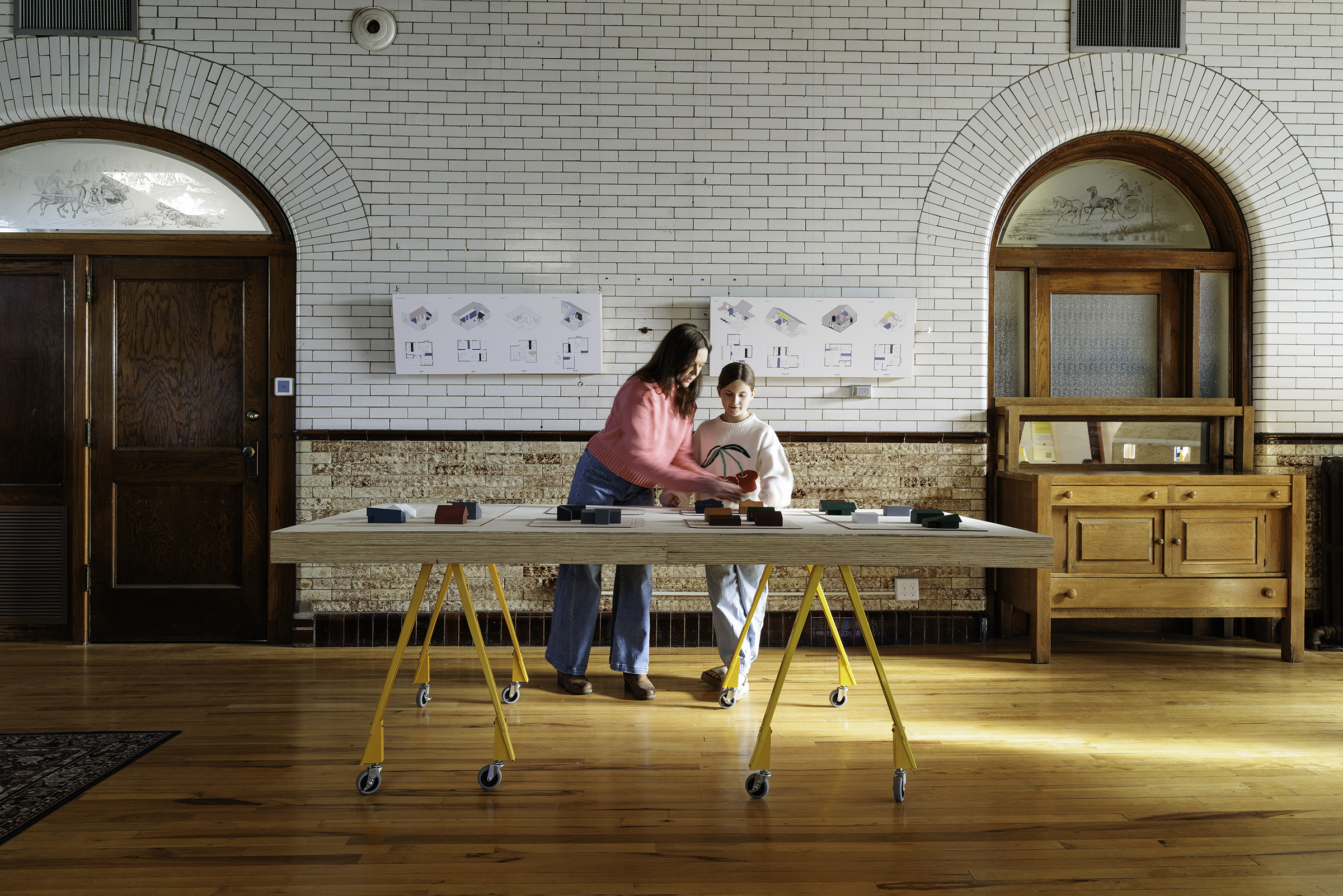
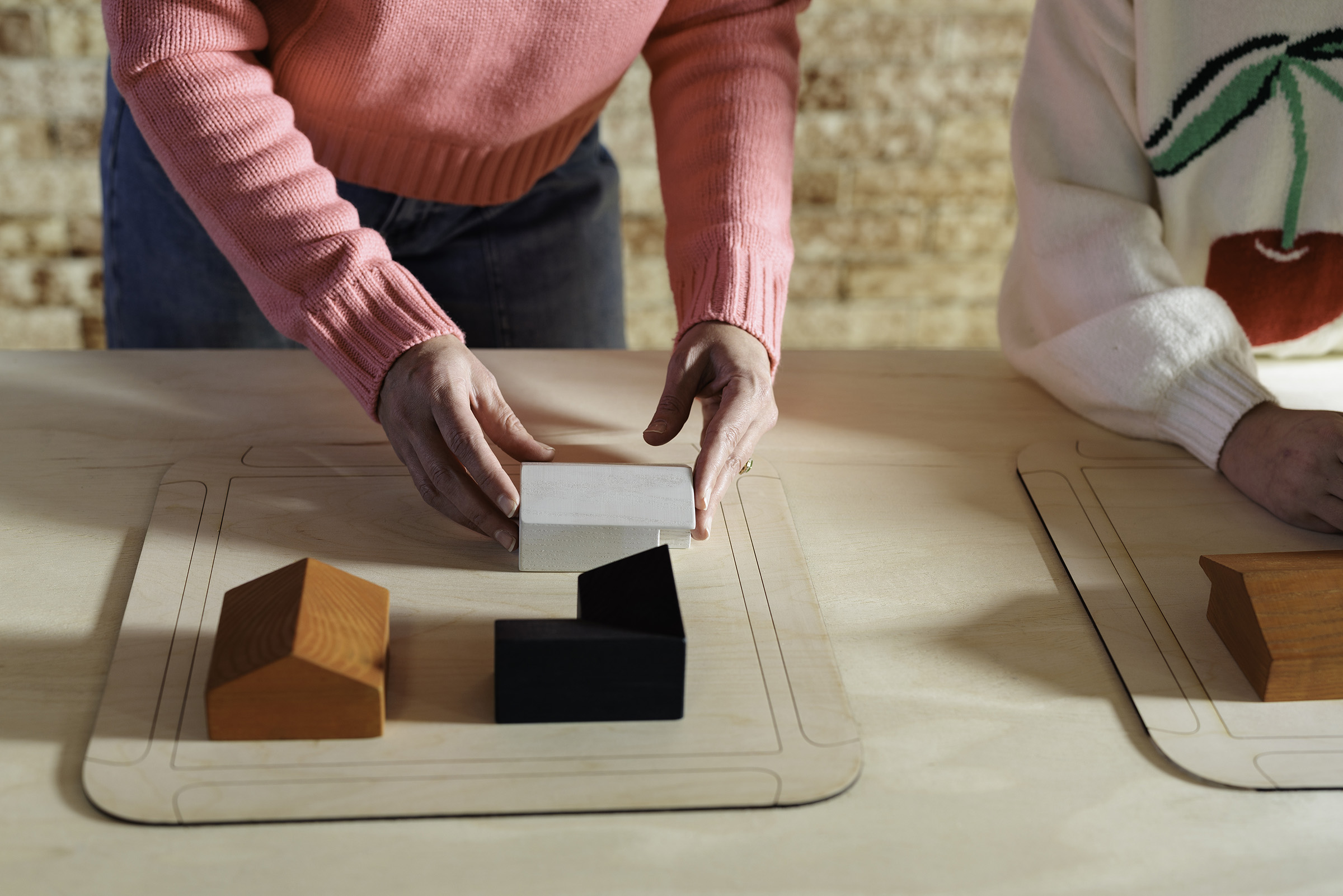

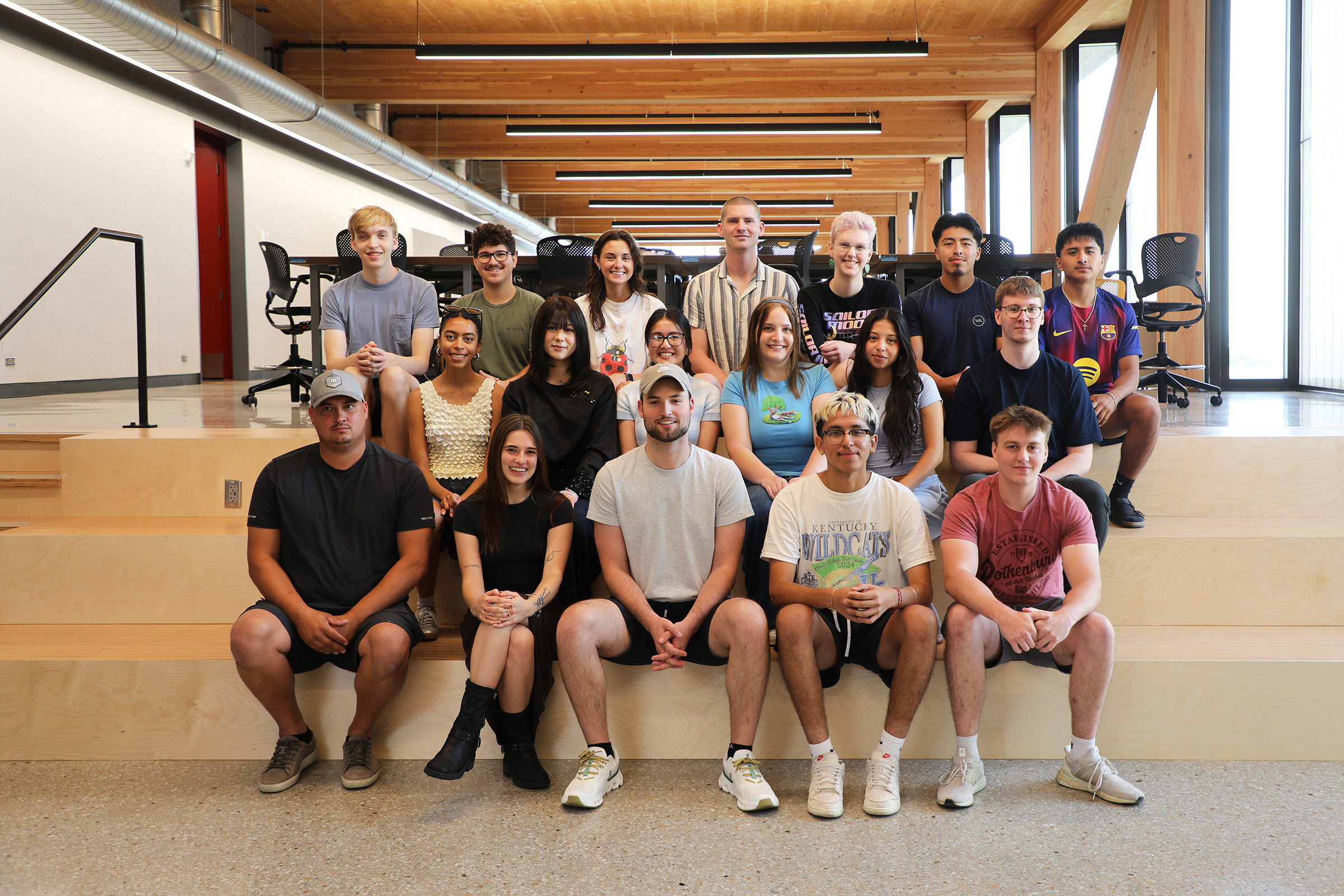
FACT 30.4 Fall 2025 team, photograph by Kerry McCullough-Vondrak, UNL
Please take a few minutes to complete this anonymous survey to give your feedback on the OurStory house designs and our upcoming development project in the Benson neighborhood.
For more information on this project, visit www.livable.org
For questions, contact jessica@livable.org
Recognition
Consider This, broadcast on Nebraska Public Media (PBS tv), August 16, 2025
Omaha Home, “Much ADU About Alternative Housing” (featuring imagery of OurStory) by Sara Locke, July/August 2025
Omaha World Herald,“Small house construction beginning in Benson is a first for UNL student designers and Omaha”, by Marjie Ducie, June 2, 2025
Nebraska Public Media, “UNL Architecture students break ground on new approach to affordable housing needs”, by Macy Byars, June 2, 2025
WOWT TV Omaha, “Benson housing project creates new option for older adults and first-time homebuyers”, by Maria Cade, June 2, 2025
WOWT TV Omaha, “University of Nebraska-Lincoln project aims to expand affordable housing”, January 8, 2025
Omaha World Herald, “Compact houses may rise in Omaha as UNL architecture students plan for affordable housing” by Dan Crisler, January 2, 2025
The Pinnacle Gazette, “Cities Implement Creative Solutions For Affordable Housing” by Evrim Ağacı, December 17, 2024
Nebraska Examiner, “Atypical Nebraska housing project aims at ‘housing crisis and silver tsunami'”, by Cindy Gonzalez, December 16, 2024
Consider This, broadcast on Nebraska Public Media (PBS tv), September 21, 2024
Project Team
students (Fall 2024 & Spring 2025):
Sreemedha Chintamadaka, Machelle Cooper, Malik Darwish, Oz Eckhorn, Nico Forte, Paulina Garcia, Luke Heidenreich, Riley Jarosz, Alex Martino, Michael Rieder, Gavin Stelling, Trent Weatherwax, Carl Williams
Spring 2025:
Isaac Alvarado, Devyn Beekman, Kael Jakub
Fall 2025:
Nini Aguilera, Evelyn Allison, Carter Boterf, Anastasiia Chanh, Will Churchill, Moises Cotom Pacheco, Asa DeWitt, Kayla Edwards, Jasmin Giri, Alexander Gomez-Cazares, Ella Krause, Andres Lucas, Benjamin Morgan, Naila Okai, Ashton Olvera, Duncan Powell, Dmitry Rybak, December Thomas
OurStory Architectural Interns (2025-2026):
Oz Eckhorn, Carl Williams